






YTÜ Rector Prof. Dr. Eyüp Debik: Access to water should never be subject to political considerations
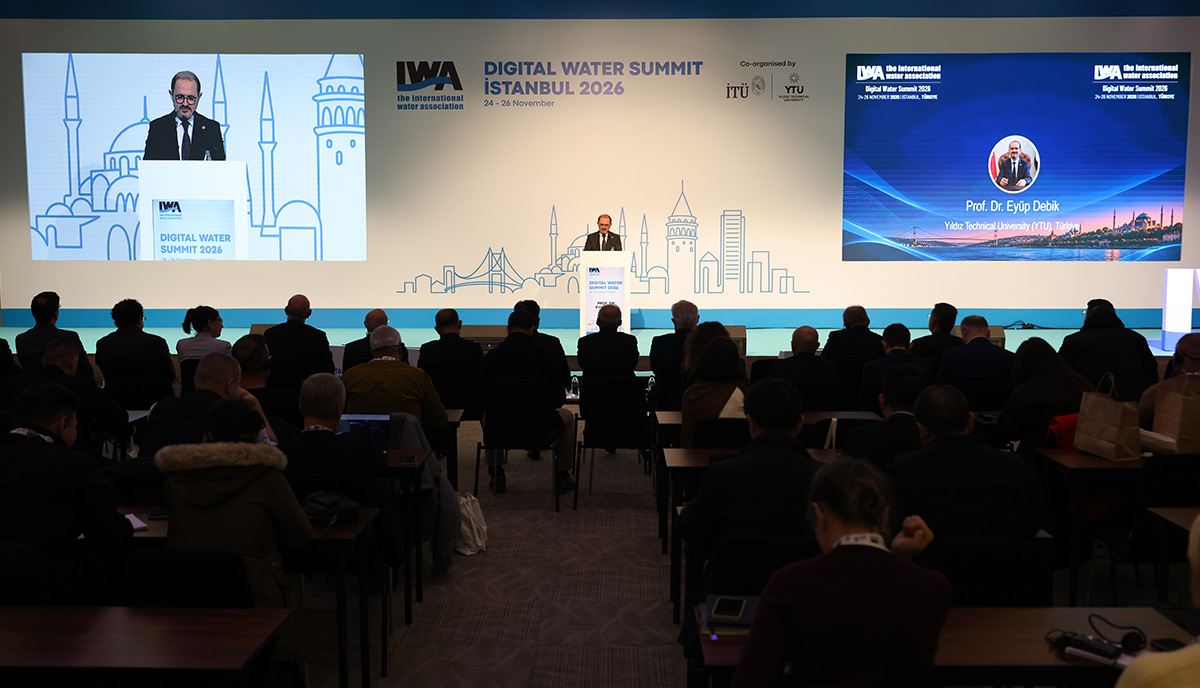
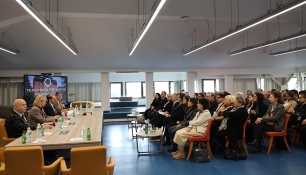
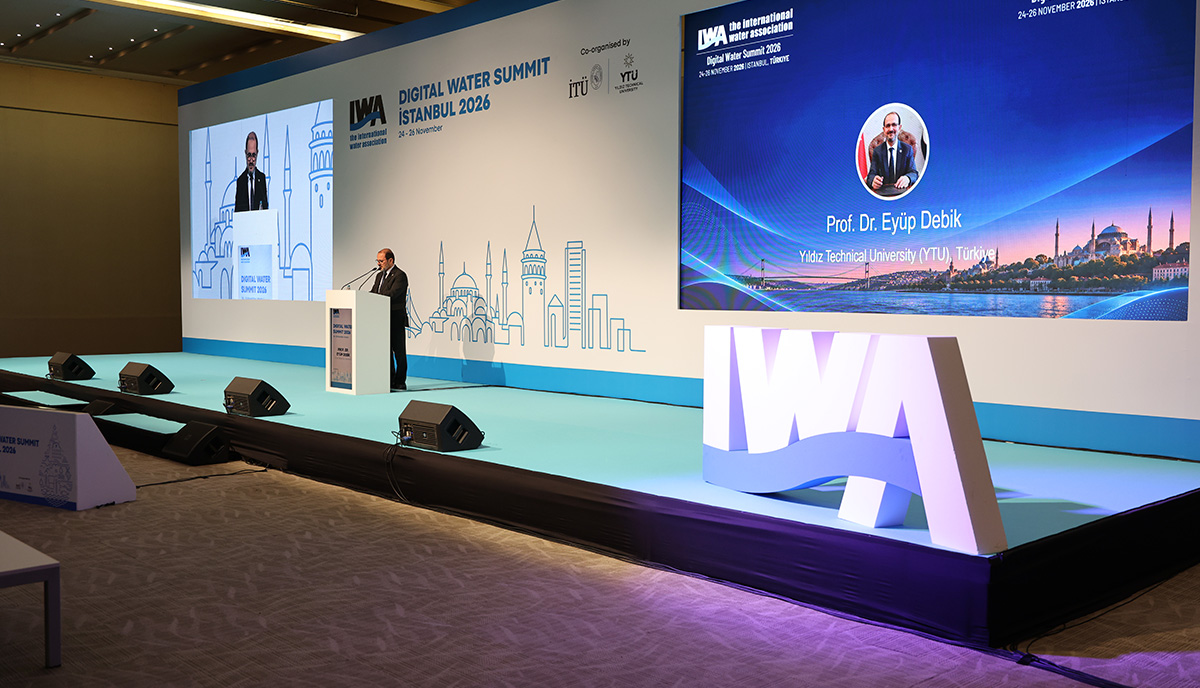
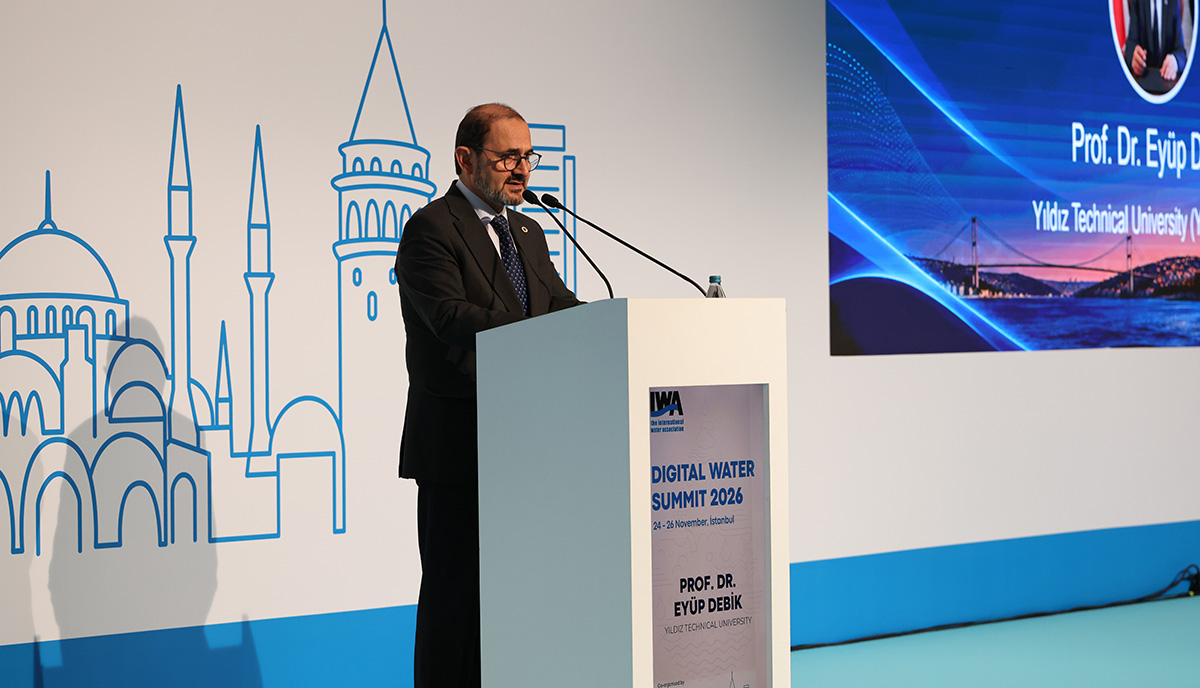
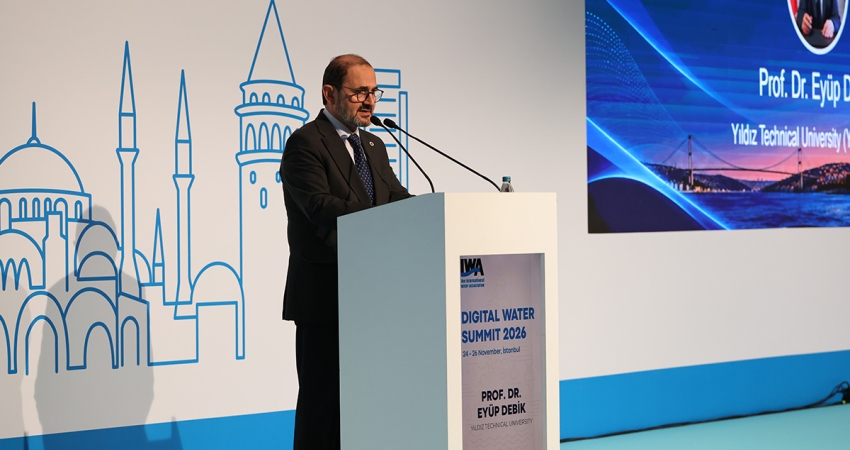
The IWA Digital Water Summit 2026, co-organized by YTÜ and İTÜ and with YTÜ Yıldız Technopark as the main sponsor, brought together national and international stakeholders in the water sector in Istanbul. Speaking at the summit’s opening ceremony, our Rector, Prof. Dr. Eyüp Debik, emphasized that access to water is a universal human right and addressed the humanitarian crisis in Gaza. Debik stated, “Regardless of a child’s religion, race, or country, access to safe drinking water should never be subject to political calculations.”
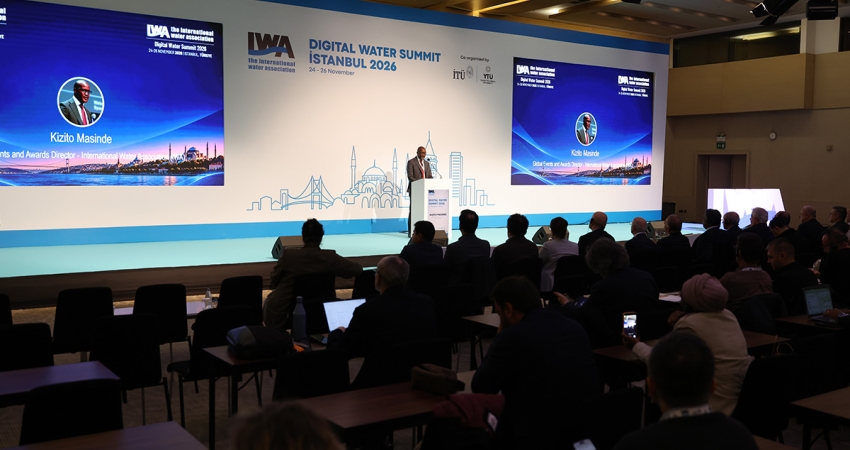
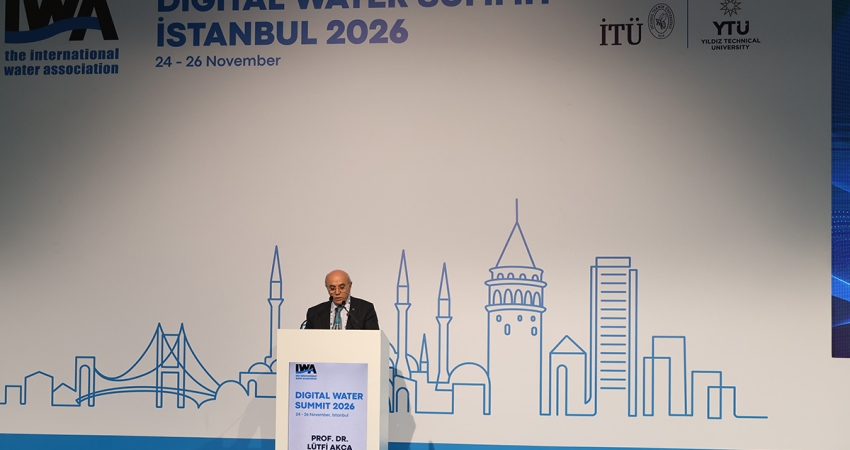
Organized in collaboration with the International Water Association (IWA), the IWA Digital Water Summit 2026 took place November 24–26, 2026, at the Istanbul Congress Center. The summit, attended by representatives from academia, the public sector, and the private sector, addressed topics such as artificial intelligence, data analytics, smart grids, digital twins, and water loss management. Solutions and best practices developed in water and wastewater management were shared.
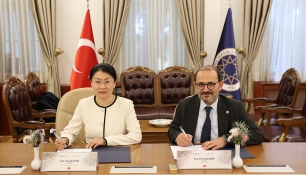
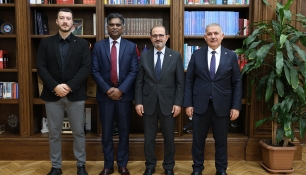
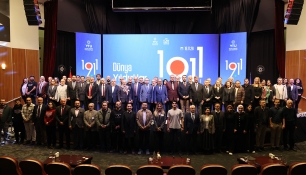
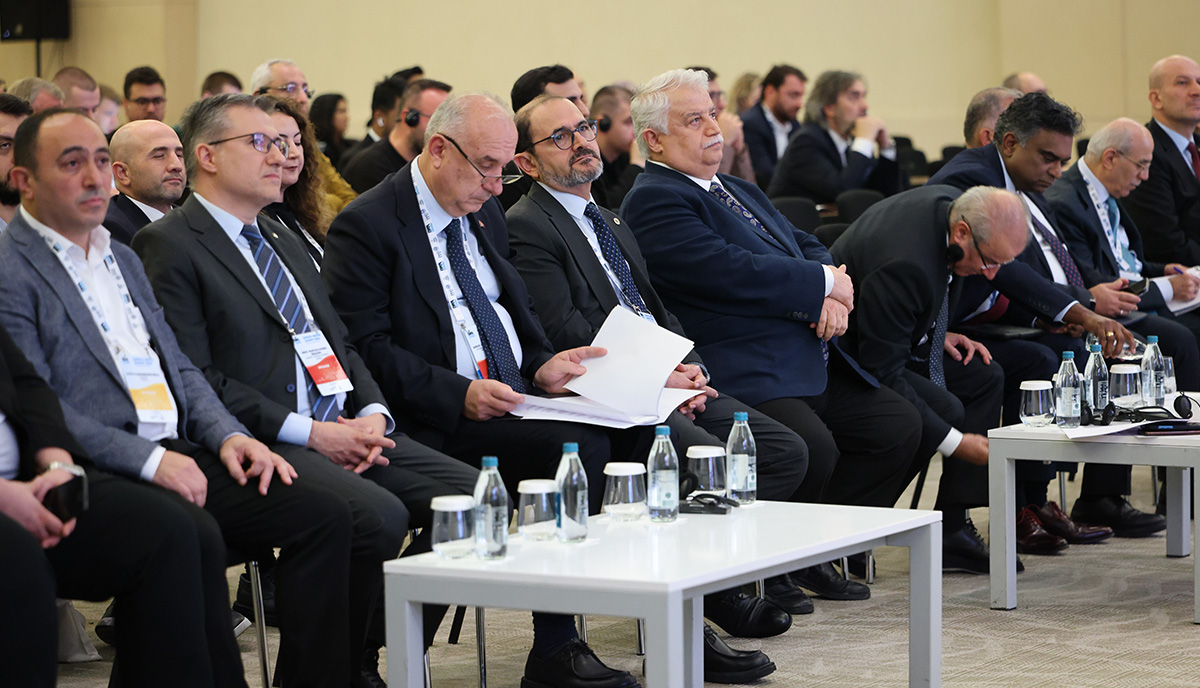
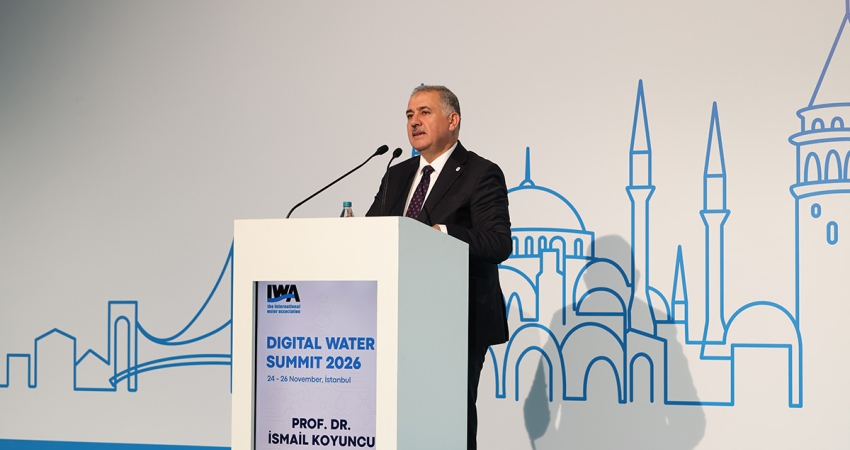
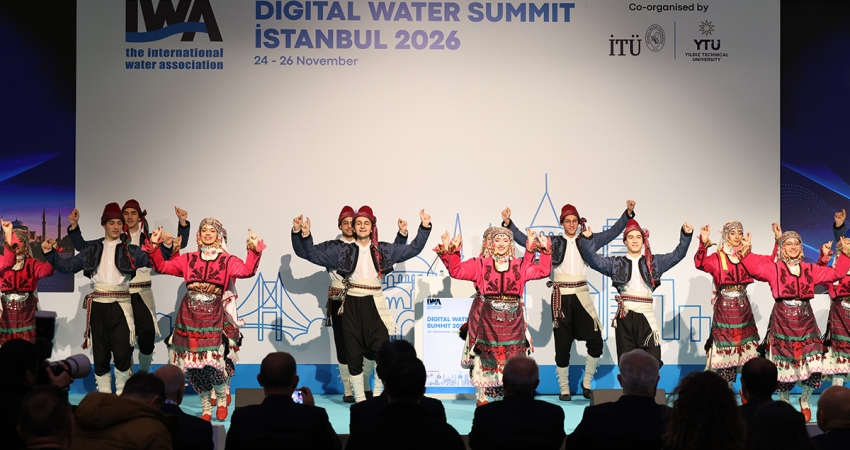
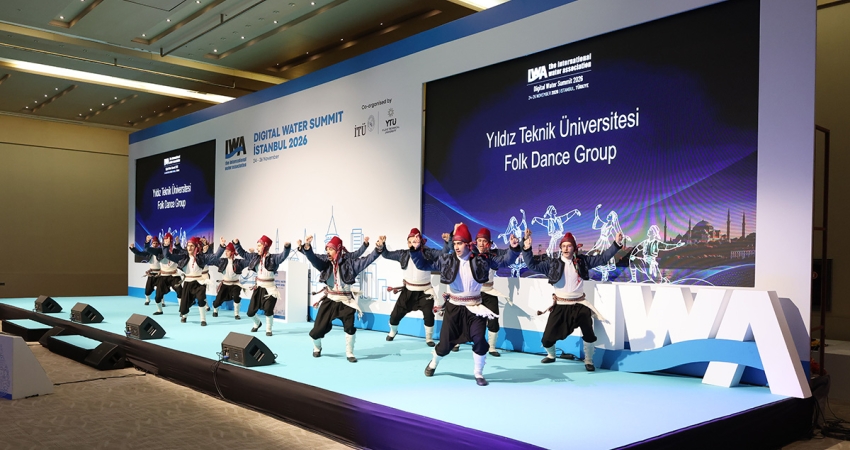
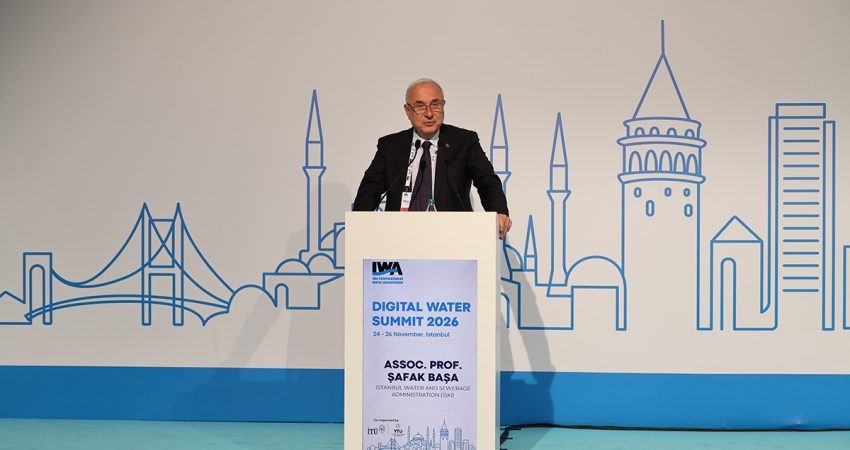
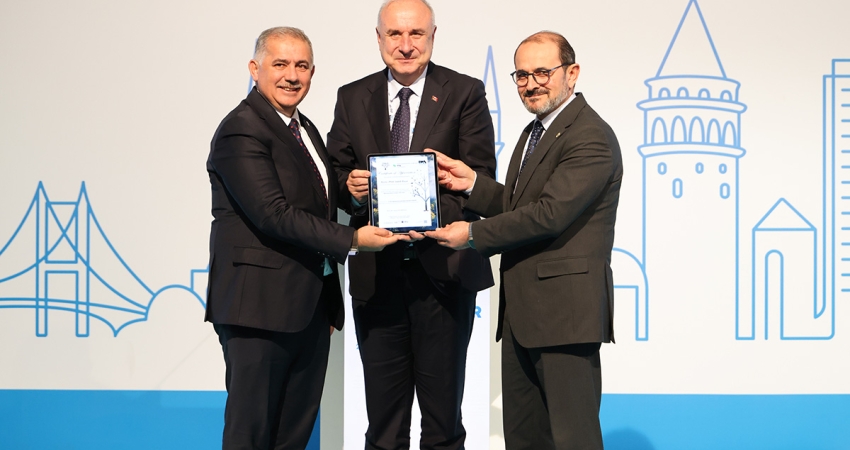
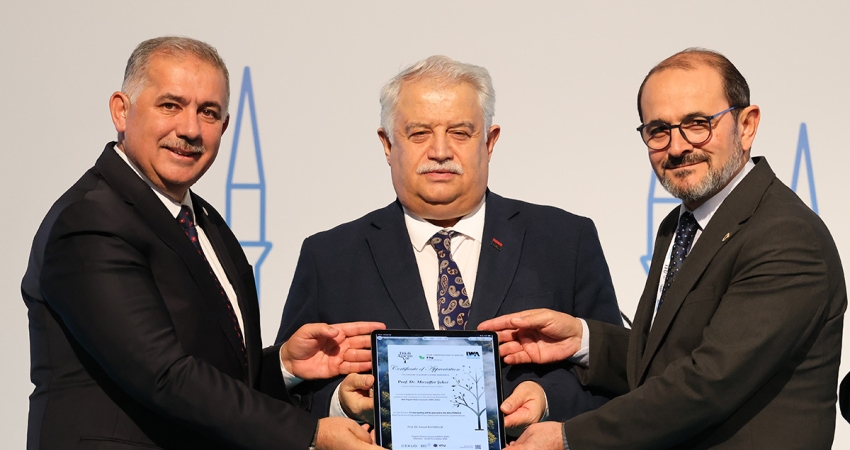
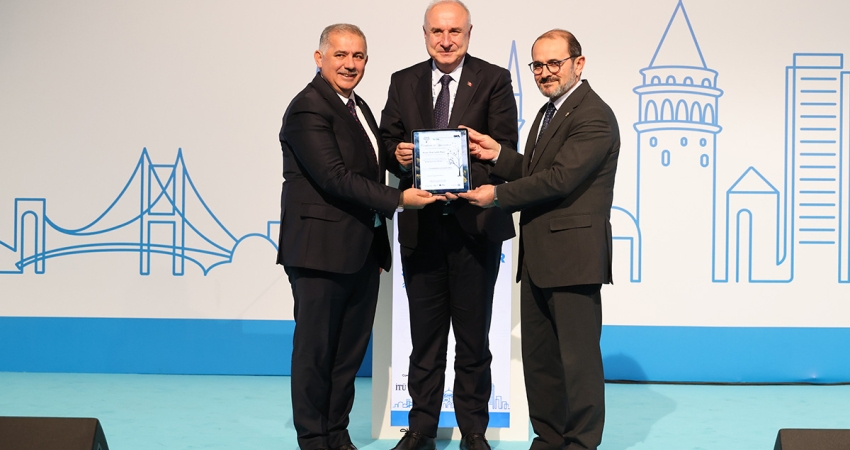
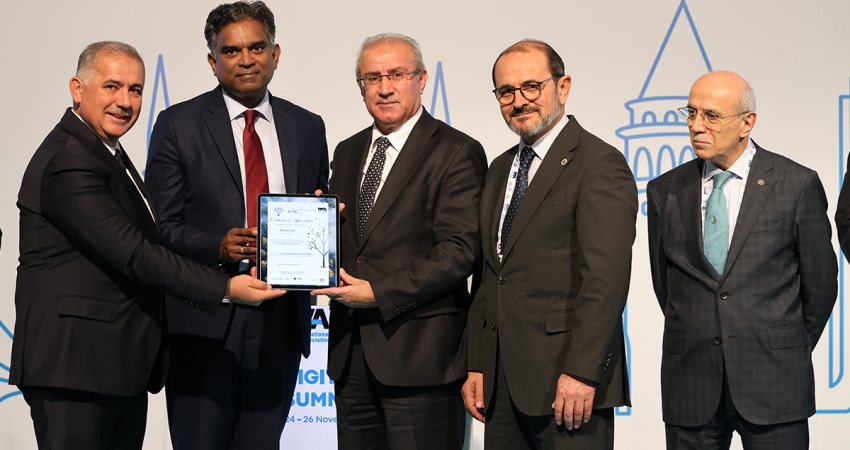
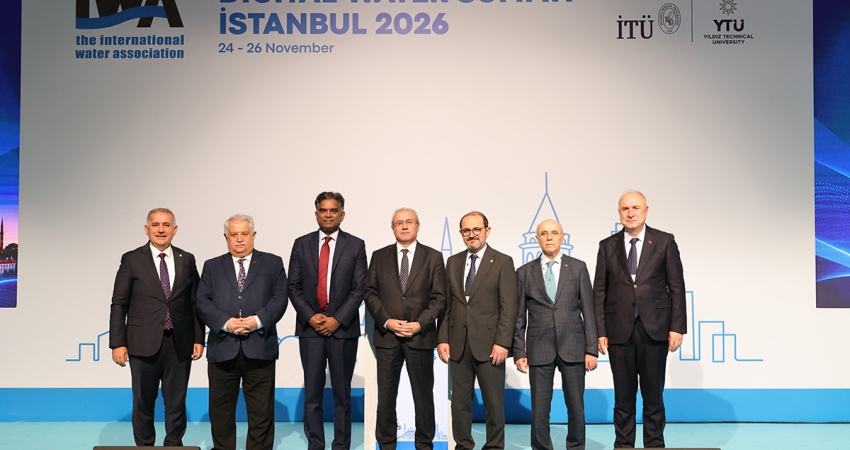
Attendees at the summit included Prof. Dr. Muzaffer Şeker, President of the Turkish Academy of Sciences (TÜBA); Prof. Dr. Eyüp Debik, Rector of YTÜ; Prof. Dr. Halil Hasar, Head of the Climate Change Department at the Ministry of Environment, Urbanization, and Climate Change; Prof. Dr. İsmail Koyuncu, Faculty Member at Istanbul Technical University (İTÜ); Prof. Dr. Şafak Başa, General Manager of the Istanbul Water and Sewerage Administration (İSKİ); and Prof. Dr. Lütfi Akça, President of the Turkish Water Institute (SUEN). Prof. Kala Vairavamoorthy, Executive Director of the International Water Association (IWA), and Kizito Masinde, Director of Global Events at IWA, also attended the summit. The Yıldız Technical University Folk Dance Group performed at the opening ceremony.
Prof. Dr. Eyüp Debik: Water management is, above all, a humanitarian issue
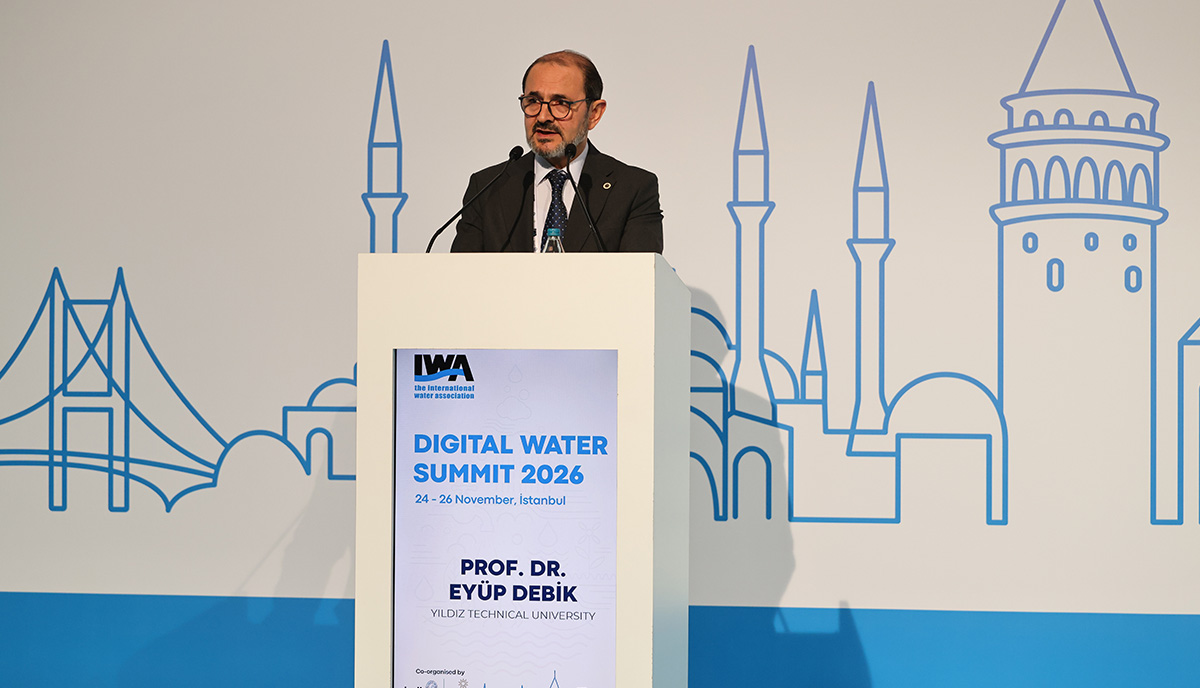
Speaking at the summit’s opening ceremony, our Rector, Prof. Dr. Eyüp Debik, noted that 2.1 billion people worldwide lack access to safely managed drinking water services. Stating that academics, administrators, and decision-makers bear a humanitarian responsibility regarding equitable access to water, Debik highlighted the importance of fair partnerships and investments, addressing water access inequalities in Africa and historical responsibilities.
Also addressing the humanitarian crisis in Gaza, Debik asked, “Can we really speak of fair and sustainable solutions while children in Gaza—a region devastated by Israel’s actions—are struggling to survive on rainwater seeping through their tents?” Debik said, “Regardless of a child’s religion, race, or country, access to safe drinking water should never be subject to political calculations.” He noted that digital technologies must also be evaluated in line with this humanitarian responsibility.
The Role of Digital Technologies in Reducing Water Losses
Stating that digital water management should be evaluated based on concrete results, Prof. Dr. Eyüp Debik said that digital monitoring systems can help identify water losses and direct maintenance investments to areas where they are needed. Noting that the average water loss in Turkey’s drinking water systems is projected to drop to approximately 31 percent by 2025, Debik stated that digital tools can be used to reduce losses and improve operational processes.
Emphasizing the importance of timely decision-making in the face of droughts and heavy rainfall, Debik said that digital technologies could help determine water usage priorities during droughts and predict areas requiring intervention before heavy rainfall. Noting that digital twins offer the ability to evaluate operational scenarios for pumping and treatment plants without making changes to the actual system, Debik noted that these technologies allow for the comparison of options that reduce energy and chemical use while maintaining water quality and service continuity.
Water Efficiency in Artificial Intelligence and Digital Systems
Highlighting the importance of data reliability, engineering validation, system interoperability, and cybersecurity in digital water management, Prof. Dr. Eyüp Debik said that digital solutions must be tailored to the operational and maintenance capacities of small water utilities. Highlighting artificial intelligence’s potential to monitor water usage and operate treatment plants more efficiently, Debik noted that this technology’s own water consumption must also be evaluated.
Debik said, “Technology providers must transparently report both how much water their solutions save and how much water they consume. Water utilities should also evaluate these two data points together when making investment decisions.”
YTÜ’s Research in Water Technologies
Noting that YTÜ is conducting research in the fields of advanced treatment, membrane technologies, and resource recovery from wastewater, Prof. Dr. Eyüp Debik shared examples from the University’s research projects. Debik explained that, as part of a project under the TÜBİTAK Industry Doctorate Program, membrane processes were developed for the treatment of metal plating wastewater and the recovery of resources from wastewater, and added that research is also ongoing on watershed information systems and reducing leaks in drinking water networks.
Touching on the university’s sustainable campus initiatives, Debik noted that rainwater and drainage water are used for irrigation and that sensor-based systems are utilized. Debik said, “In 2025, we reduced our municipal water consumption by approximately 15 percent compared to the previous year. We met about one-third of our water needs from sources outside the municipal water system.”
Water and Environmental Technologies from YTÜ Yıldız Technopark
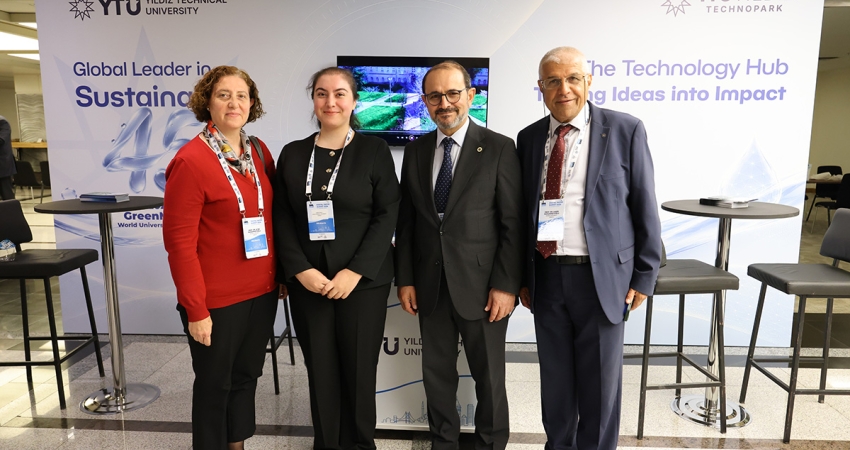
Prof. Dr. Eyüp Debik noted that there are a total of 316 completed and ongoing R&D projects among the more than 100 companies working in the fields of sustainability, the environment, and green transformation at YTÜ Yıldız Technopark. He said that water management and water recovery are among the primary areas of these efforts.
Debik cited as examples the system installed by Artemis Arıtım to reclaim water used during testing at a radiator production facility in Çorlu, and Lenta Marine’s efforts to monitor seagrass beds off the coast of Şile using an underwater robot. He expressed their readiness to combine YTÜ’s academic expertise with the practical capabilities of companies at YTÜ Yıldız Technopark to meet the needs of water authorities and industry.
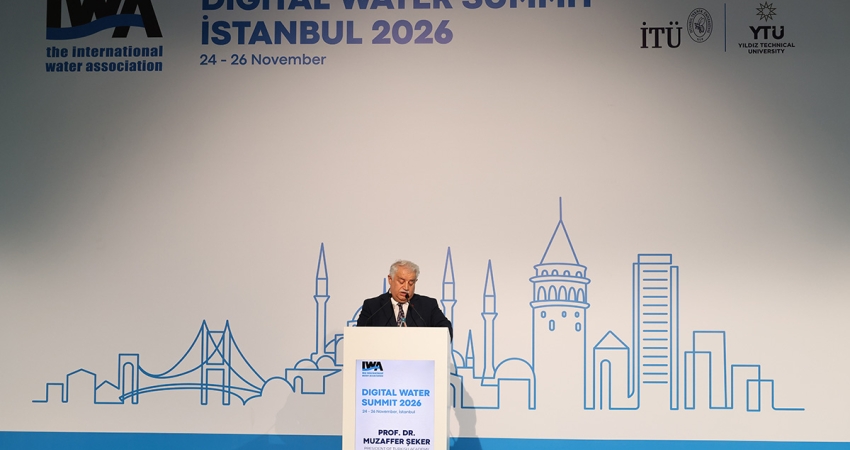
TÜBA President Prof. Dr. Muzaffer Şeker: Digital technologies play a critical role in the effective management of water resources
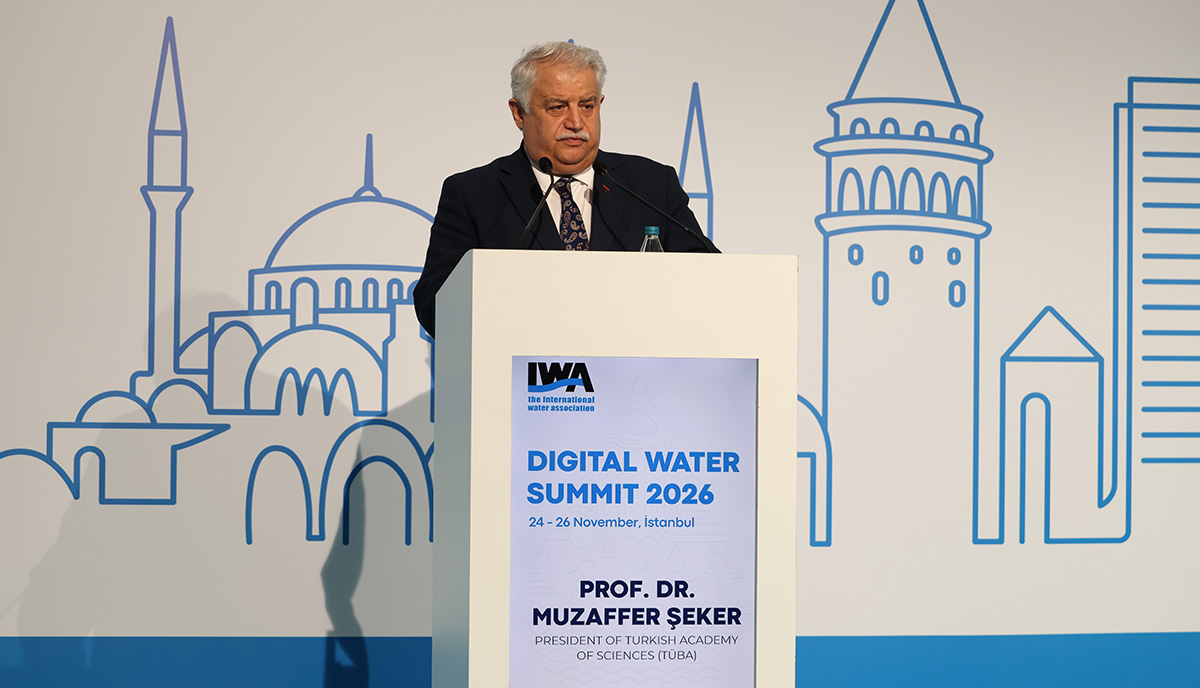
Speaking at the summit, Prof. Dr. Muzaffer Şeker, President of the Turkish Academy of Sciences (TÜBA), noted that digital technologies play a critical role in the effective management of water resources. Explaining that the annual per capita available water supply in Turkey is approximately 1,301 cubic meters, Şeker emphasized that the country falls into the category of water-stressed nations. Noting that population growth, urbanization, and climate change are increasing pressure on water resources, he stated that traditional engineering solutions are no longer sufficient on their own.
Noting that digital tools such as sensors, satellites, and artificial intelligence offer the ability to anticipate problems in water management, Şeker stated that digital twin technologies enable more precise management of water networks. He stated that a science-based approach, equitable access, data security, and the environmental sustainability of technology must be fundamental priorities in digital water management.
Şeker noted that TÜBA provides scientific guidance on these processes through its Environment, Biodiversity, and Climate Change Working Group. Referring to the 2023 water resources report, he emphasized the importance of international cooperation.
IWA Calls for Turning Data into Action in Digital Water Management
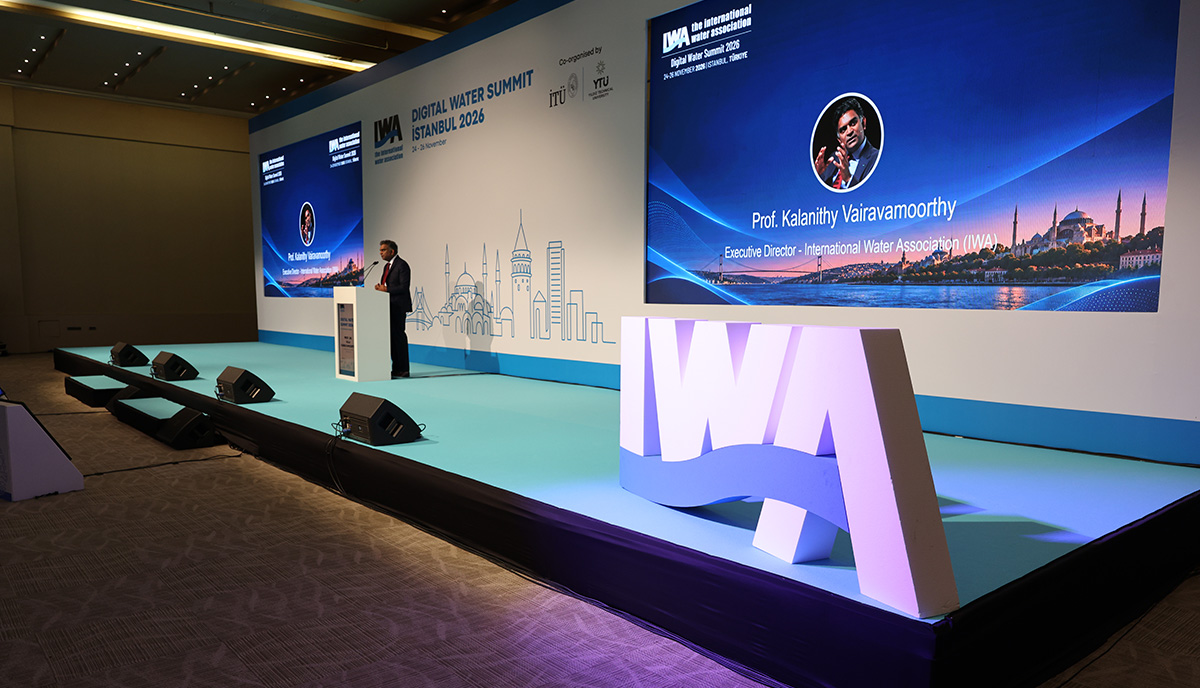
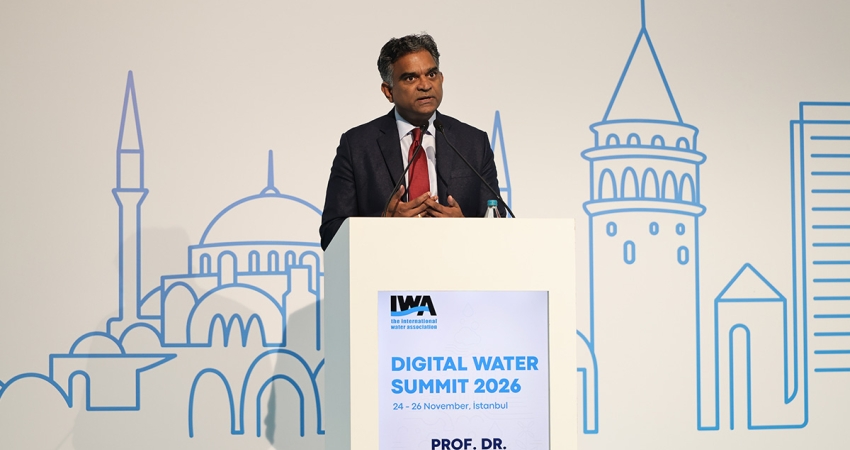
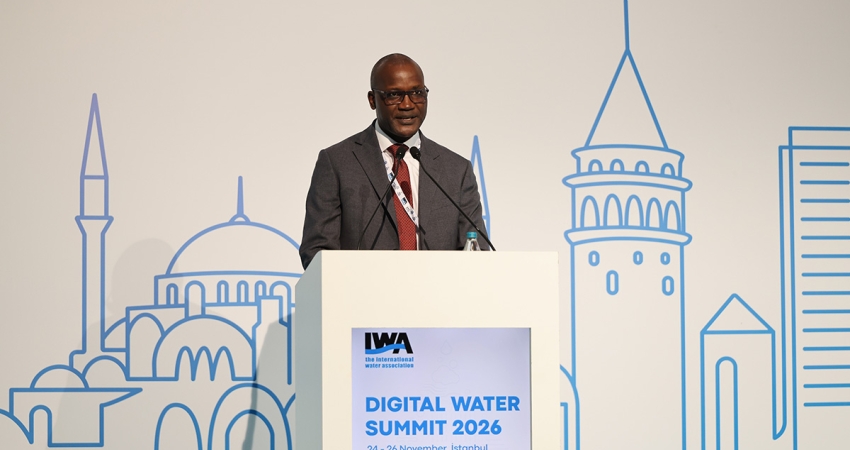
International Water Association (IWA) Executive Director Prof. Kala Vairavamoorthy and IWA Global Events Director Kizito Masinde also spoke at the summit’s opening. Vairavamoorthy emphasized that the true value of digitalization lies in transforming data into insights, insights into decisions, and decisions into action. She noted that digital technologies should contribute to improving water services and enabling more effective operational decisions.
Other News