



























Three Works by a YTÜ Faculty Member That Make Their Mark on the History of Education
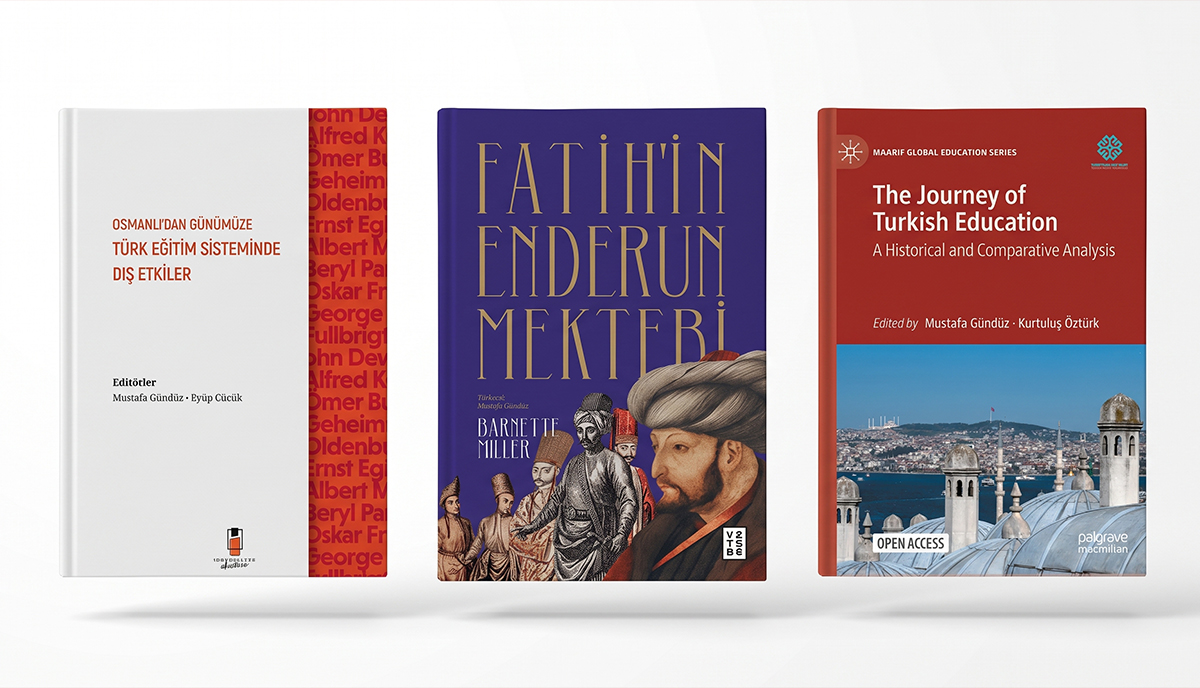
Three books by Prof. Dr. Mustafa GÜNDÜZ, a faculty member at the Faculty of Education at Yıldız Technical University, have been published. Ranging from the role of the Enderun School in Ottoman educational and state traditions to external influences on the Turkish education system, and from the introduction of Turkish educational history to international academic circles to the historical transformation of educational institutions, these works offer a comprehensive perspective on educational thought from the past to the present.
Through these three distinct works, Mustafa GÜNDÜZ has examined various periods and issues in the history of Turkish education from an academic perspective. In addition to a translation examining the role of the Enderun School in the Ottoman educational and state structures, a compilation evaluating external influences on the Turkish educational system through historical sources and an English-language work introducing the history of Turkish education to international academic circles have been made available to readers. These three books, which focus on different periods and fields of research, contribute to the evaluation of Turkish educational history within the context of institutions, policies, cultural interactions, and international developments.
The Historical Journey of the Enderun School Has Been Reissued
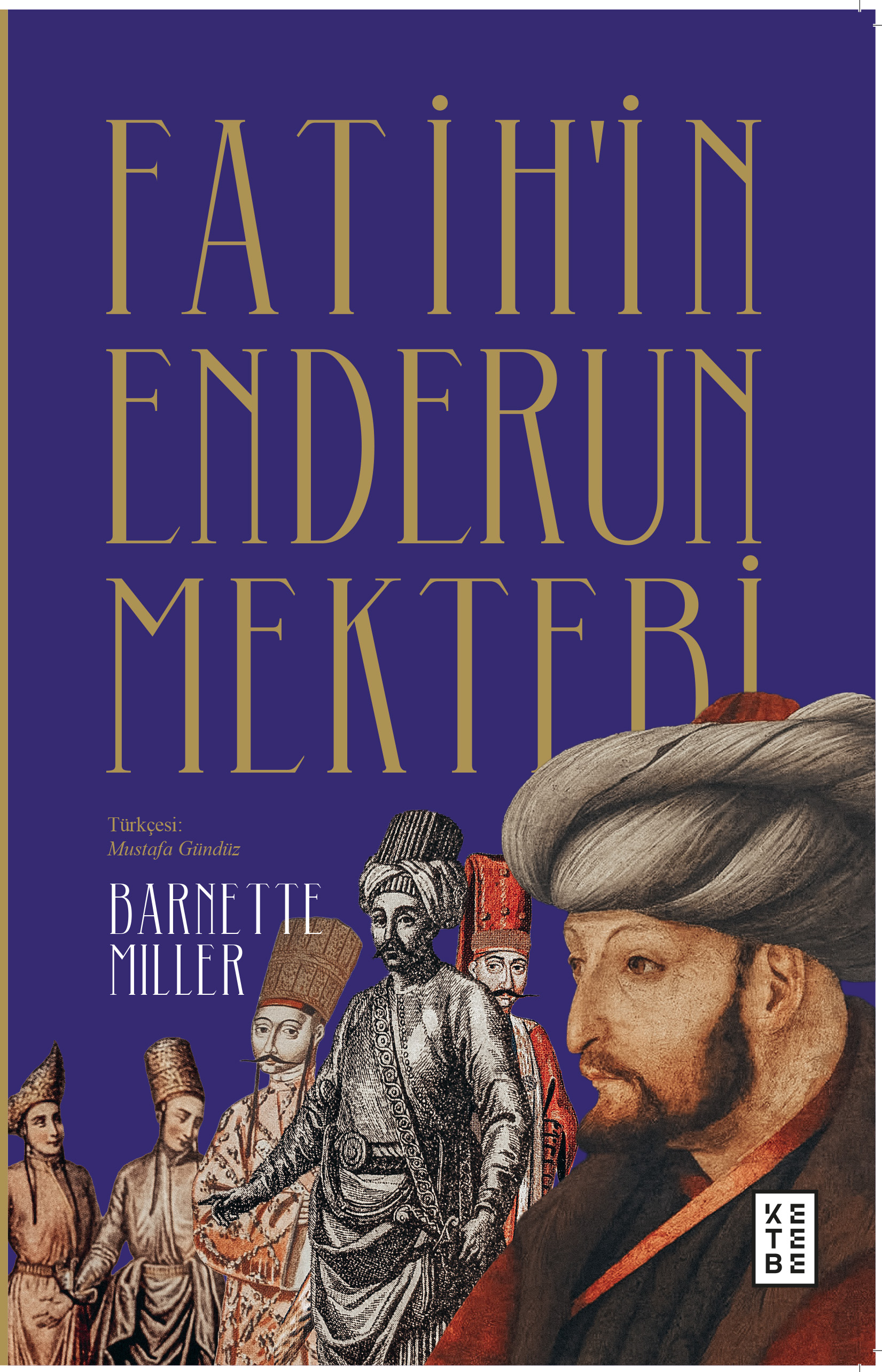
The book *Fatih’s Enderun School*, translated and prepared for publication by Mustafa GÜNDÜZ, comprehensively examines the place of the Enderun School in Ottoman educational and political history. Prepared by Barnette Miller and based on primary Western and Ottoman sources, this study offers a comprehensive examination of the Enderun School—founded by Fatih Sultan Mehmet—ranging from its origins and architectural structure to its curriculum, daily life, and role in Ottoman state administration.
The Enderun School is regarded as one of the Turks’ unique contributions to the history of world education, thanks to the educational legacy it inherited and the innovations it introduced. As an official school where Turkish state philosophy, the human sciences of Islam, the arts of war and governance, and vocational training were integrated within the unity of body, mind, and spirit, the Enderun stands out as one of the most systematic educational experiences designed to train individuals for state administration.
The Enderun School, founded by Fatih Sultan Mehmet, is compared in the book to Plato’s Academy and the Japanese samurai tradition. Drawing on the philosophy and educational vision of its founder, Enderun became one of the fundamental elements of the Ottoman political system thanks to the structure it established, while also playing a significant role in the state’s rise to periods of great strength. The book emphasizes that this institution, which played a key role in sustaining the Ottoman Empire through its educational tradition and the cadres it trained, holds immense significance in the history of Ottoman politics and education.
The book also includes an assessment that the Enderun was one of the institutional structures that extended the lifespan of the Ottoman Empire. The book’s author, Barnette Miller, states, “When the leadership roles of the early Ottoman sultans came to an end, perhaps the greatest factor enabling the empire to survive beyond its natural lifespan was the momentum accumulated within this school.” highlighting the Enderun’s role in the state’s longevity.
Prepared by Barnette Miller—known as the first foreign woman to enter the Enderun and the Harem during the final period of the Ottoman Empire—this study examines not only the institutional structure of the Enderun but also the institution’s historical development in detail. Drawing on primary Western and Ottoman sources, the research examines not only Fatih Sultan Mehmet’s approach to education and state administration but also the Enderun School’s founding and development process, its architecture, educational program, daily life, and function within the state. The work also presents, within an academic framework, the transformations the Enderun underwent over time and the process leading to its eventual decline.
External influences on the Turkish education system are examined
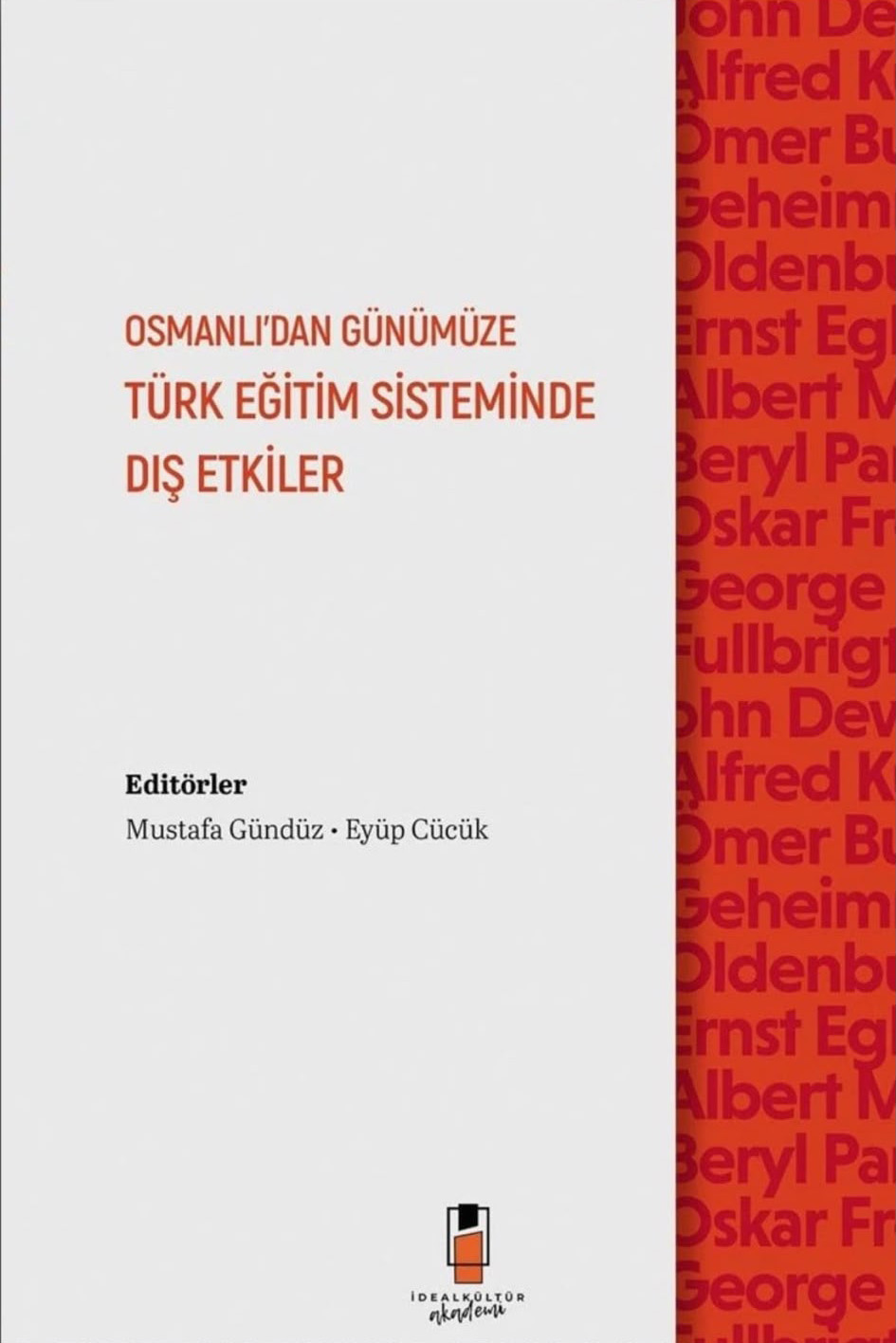
The book “External Influences on the Turkish Education System from the Ottoman Era to the Present,” co-edited by Prof. Dr. Mustafa GÜNDÜZ and Eyüp Cücük, was published by İdeal Kültür Yayınları. The 362-page work examines the transformation of the Turkish education system—particularly over the last two centuries—through the lens of external influences. Emerging from the Turkish History of Education Workshops, the study examines the individuals, institutions, and approaches that shaped educational policies during the period spanning from the Tanzimat era to the Republican era. The book covers a wide range of topics, from the activities of foreign experts in Turkey to educational reports, from the impact of American foundations on higher education to the lesser-known aspects of the Fulbright Agreement.
John Dewey’s potential influence on the Turkish education system is also addressed in a separate chapter of the book. The assessment that modern education is not merely a structure based on the transfer of knowledge, but has also become an important tool in the formation of nation-states and international power relations, is among the study’s key areas of discussion. Compiled with contributions from various experts, the book aims to reopen the discussion of external influences on Turkish educational history in light of sources and scientific data. In this regard, the work serves as a comprehensive reference source for researchers seeking to understand the historical background of educational policies.
Turkish educational history enters the international academic literature
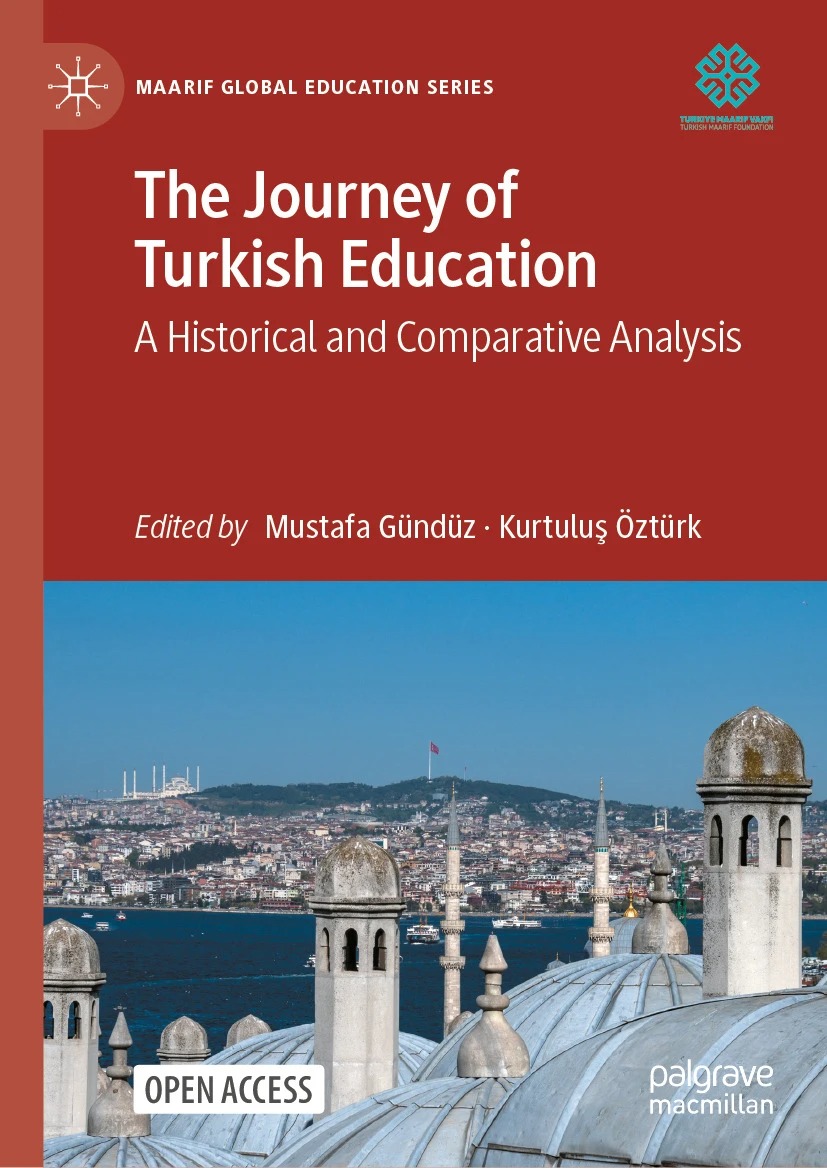
“The Journey of Turkish Education: A Historical and Comparative Analysis,” edited by Mustafa GÜNDÜZ and Kurtuluş Öztürk, has been published by Palgrave Macmillan. This 260-page open-access work aims to introduce the history of Turkish education to English-speaking and English-reading international academic circles. The book evaluates the educational institutions, philosophies, and practices developed by Turks across different periods and regions within the contexts of philosophy, religion, politics, culture, and social structure.
The study offers a broad historical perspective, ranging from pre-Islamic Turkish societies to contemporary debates on globalization. It demonstrates that educational systems are shaped not only by pedagogical processes but also by social, political, and cultural dynamics. The book examines the purpose of education, curriculum, funding sources, the ideal human model, and approaches to the education of women, families, and children across different historical periods.
Composed of chapters written by experts in the field, the work brings together the disciplines of history, education, sociology, politics, and culture within a common framework. The book also includes supplementary resources such as biographies, comparative tables, and a glossary of educational terms. In this regard, the book aims to increase the visibility of Turkish educational history in the international academic literature and to serve as a resource for comparative studies on the subject.

A Holistic View of Turkish Educational History Across Different Periods
Mustafa GÜNDÜZ’s three works, published in 2026, bring together different periods and dimensions of Turkish educational history within the same academic framework. While “Fatih’s Enderun School” focuses on the Enderun School—one of the most important institutions of the Ottoman educational and state tradition—“External Influences on the Turkish Education System from the Ottoman Era to the Present” examines the external influences the Turkish education system faced during the modernization process.
“The Journey of Turkish Education” makes this historical body of knowledge accessible to the international academic community. Thus, these works examine the history of Turkish education from various perspectives—through institutions, policies, educational philosophies, and international interactions. Prof. Dr. Gündüz, who continues his research in the field of educational history at the YTÜ Faculty of Education, contributes to both the Turkish-language literature and international academic publishing with these works.
Three works, three distinct academic perspectives
In addition to examining past educational institutions in Turkish educational history, these three studies serve as a reference work that addresses the state, society, culture, politics, and international relations collectively. While the study on the Enderun School examines the Ottoman model for training qualified individuals and state administrators, the study on external influences places the educational policies of the modernization era within their historical context. Published in English, *The Journey of Turkish Education* brings this body of knowledge to the international academic arena.
The works, to which Mustafa GÜNDÜZ contributed as an editor, author, and translator, offer the opportunity to evaluate different periods of Turkish educational history in a comparative and multidimensional manner. In this regard, these three works highlight not only academic studies on the history of education but also the contribution that past educational experiences can make to understanding today’s educational policies and institutions.
Other News