


























ISO member companies will be able to have their tests and analyses conducted at YTÜ laboratories at a discounted rate
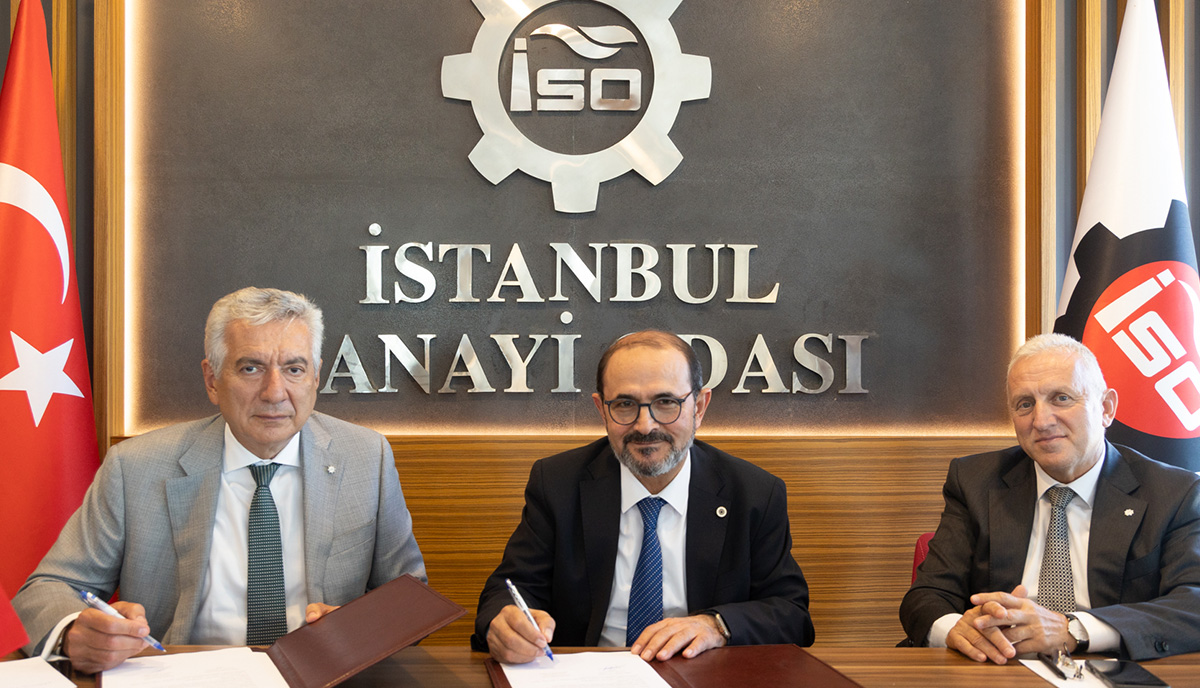
Yıldız Technical University and the Istanbul Chamber of Industry have taken another step forward in university-industry collaboration. YTÜ Rector Prof. Dr. Eyüp Debik and ISO President Erdal Bahçıvan signed a protocol that will enable ISO member companies to access testing and analysis services at the YTÜ Central Research Laboratory under more favorable terms. The collaboration aims to contribute to companies’ product development, quality control, certification, and R&D processes.
The Istanbul Chamber of Industry (ISO) and Yıldız Technical University (YTÜ) have signed the “Protocol on the Use of the YTÜ Central Research Laboratory” to more effectively align the university’s research infrastructure with the needs of industry. Under the protocol, ISO member companies will be able to benefit from a 15 percent discount on testing and analysis services provided by the YTÜ Central Research Laboratory. Applications will be evaluated based on the laboratory’s technical capabilities, equipment and personnel capacity, relevant regulations, and center procedures.
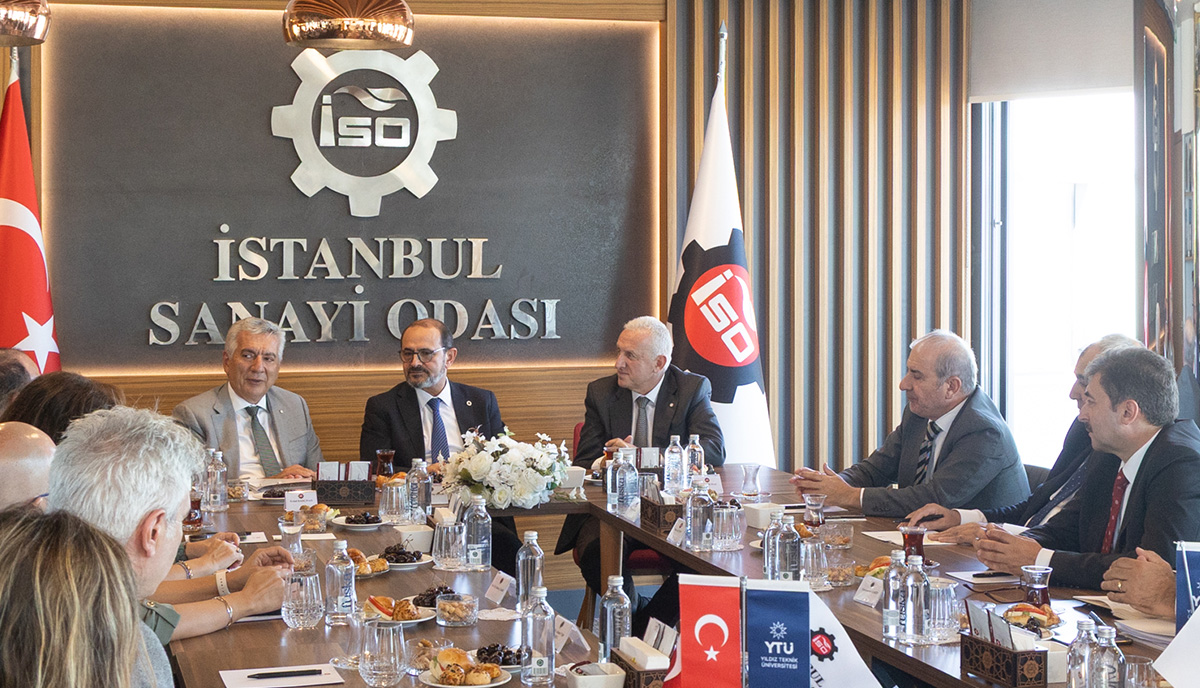
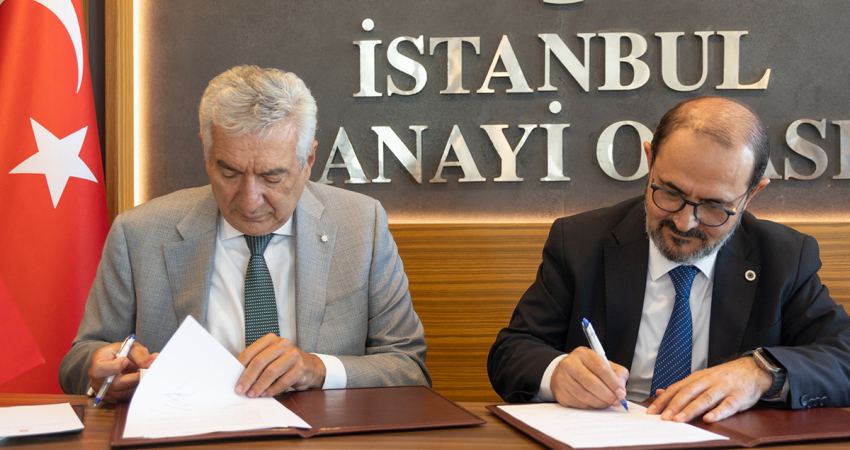
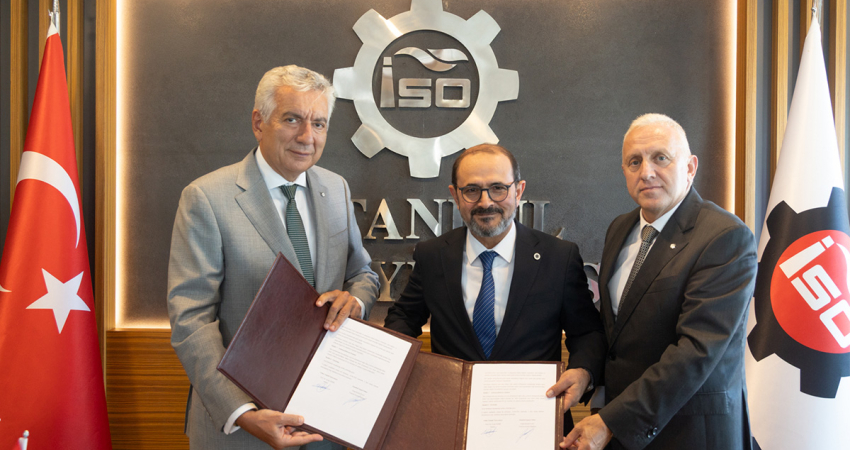
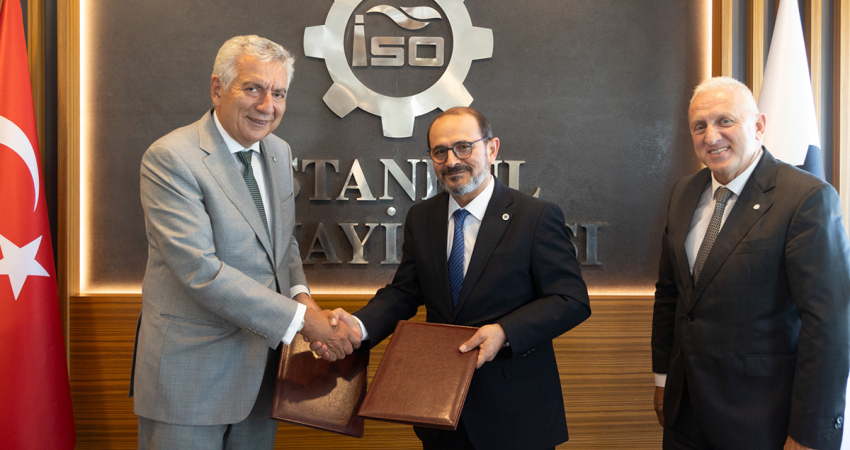
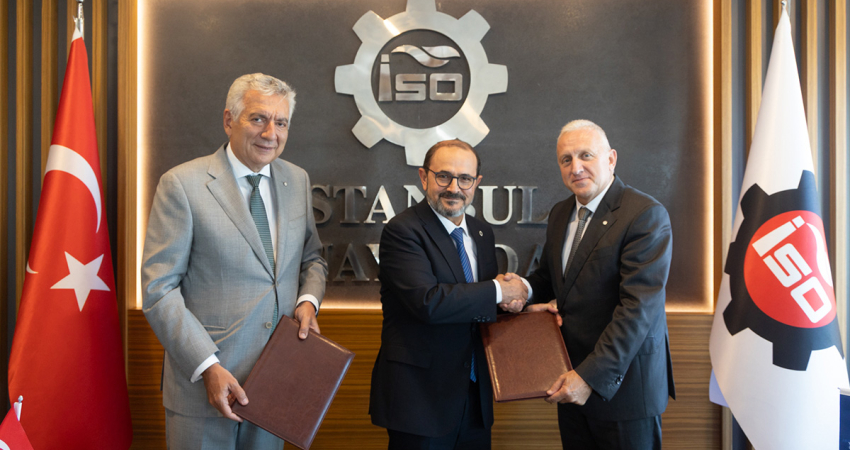
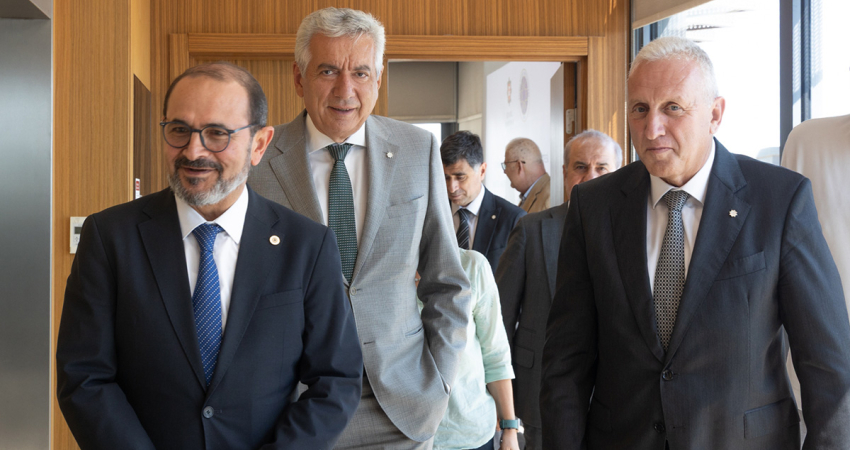
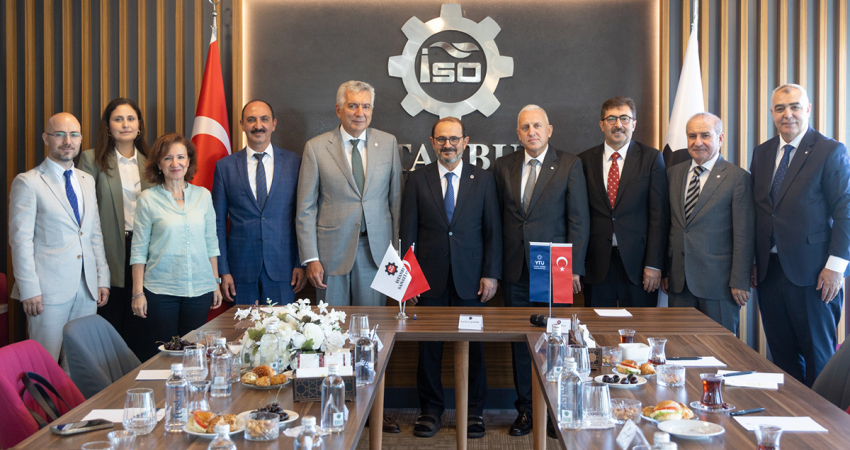
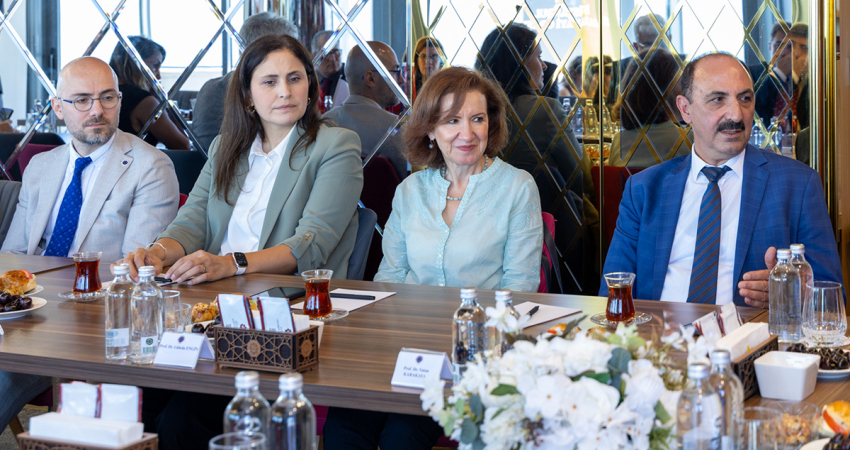
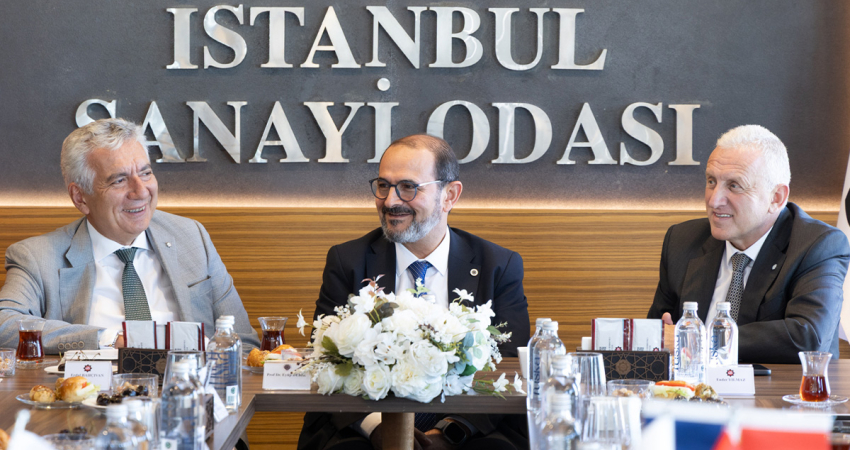
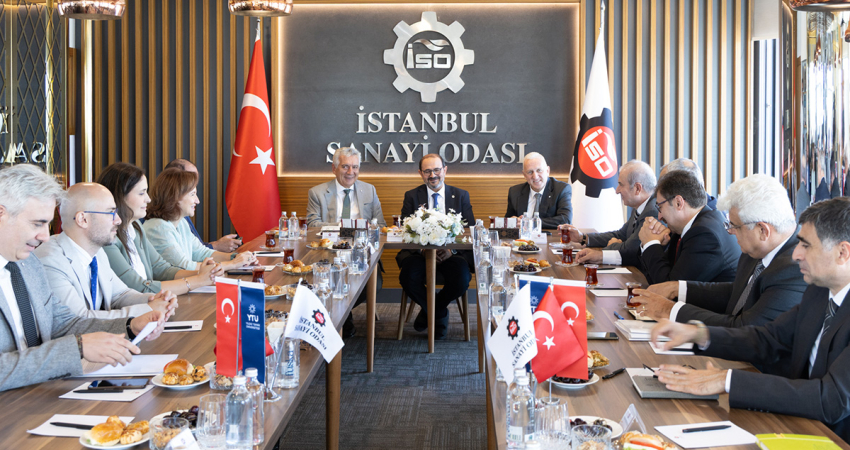
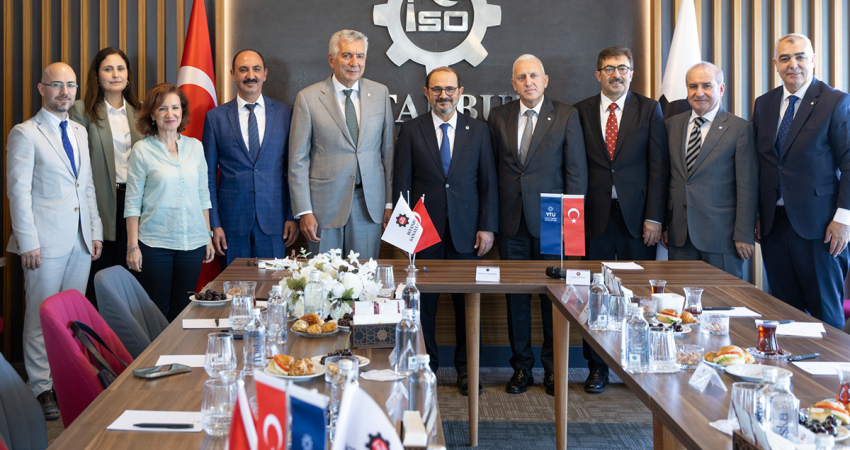
The signing ceremony, held at ISO Odakule, was attended by YTÜ Rector Prof. Dr. Eyüp Debik and ISO Board of Directors Chairman Erdal Bahçıvan. Also present at the ceremony were ISO Assembly Chair Ender Yılmaz, ISO Board of Directors Vice Chair Cemal Keleş, and ISO Board Member Hüseyin Çetin; as well as YTÜ Vice Rectors Prof. Dr. Vatan Karakaya and Prof. Dr. Güleda Engin; YTÜ Yıldız Technopark General Manager Assoc. Prof. Dr. Muhammet Garip, YTÜ Central Research Laboratory Director Prof. Dr. Rabia Çakır, and Faculty Member Assoc. Prof. Dr. Ahmet Yiğit Arabul. This new collaboration builds upon the University-Industry Cooperation Protocol signed between ISO and YTÜ on July 7, 2025.
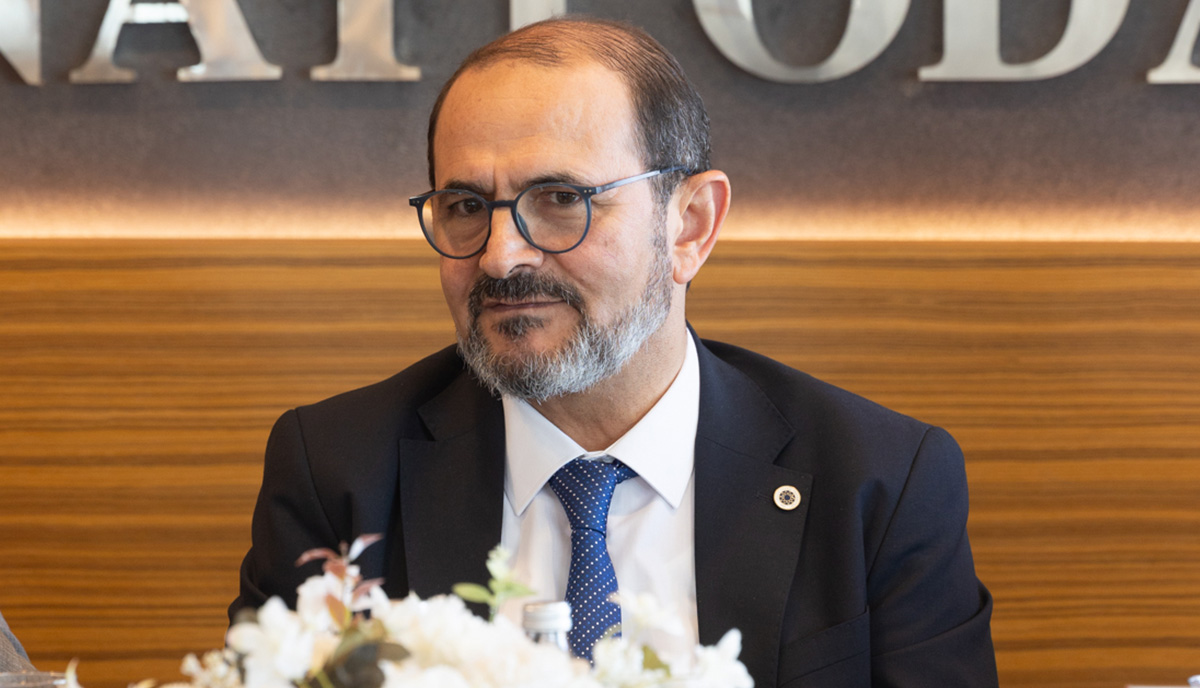
“We will combine our R&D capabilities with our industry’s production capacity”
Speaking at the signing ceremony, YTÜ Rector Prof. Dr. Eyüp Debik noted that universities are strong in R&D and academic knowledge, while industry excels in production and market access. Prof. Dr. Debik said, “When we combine our laboratory infrastructure and academic expertise with the product development processes of our industry partners, we can generate high added value for our country. Through this collaboration, we aim to accelerate the transformation of scientific research into production, technology, and economic value.”
Emphasizing that making the research infrastructure available to the industry will yield significant benefits for both universities and industry, Debik added:
“More effective use of our existing laboratory capacity will also strengthen our industry’s R&D potential. As I have always said, ‘A rolling stone gathers no moss.’ Our equipment must shine by operating, producing, and providing solutions to the needs of our industrial partners. I believe this protocol will lay a strong foundation for joint projects.”
“We’re Bringing University-Industry Collaboration to the Laboratories”
Erdal Bahçıvan, Chairman of the ISO Board of Directors, stated that universities have taken on an important responsibility not only in training qualified human resources but also in the production of knowledge and technology.
Noting that YTÜ makes significant contributions to Turkey’s science and technology ecosystem through its long-standing history, academic expertise, and research infrastructure, Bahçıvan said, “We consider it extremely valuable for this potential to converge more strongly with our industry.”
Emphasizing that the protocol carries strategic significance beyond the 15 percent price advantage, Bahçıvan made the following assessment:
“This protocol is a concrete step that brings university-industry collaboration into production facilities and laboratories. More effective support will be provided for our companies’ product development, quality control, certification, R&D, and innovation efforts. The university’s knowledge base and technological capacity will also be transferred to industry more quickly. In this way, we will utilize our country’s research infrastructure and resources more efficiently.”
“It will contribute to the competitiveness of our industrial sector”
ISO Assembly Chairman Ender Yılmaz also stated that the collaboration will bridge the gap between theory and practice.
Yılmaz said, “I would like to thank our industrialists right away for this collaboration, which makes the facilities of the YTÜ Central Research Laboratory available to the industry. This R&D and innovation-focused step will contribute to the competitiveness of our industrialists in global markets. It will also support the development of our qualified workforce,” he said.
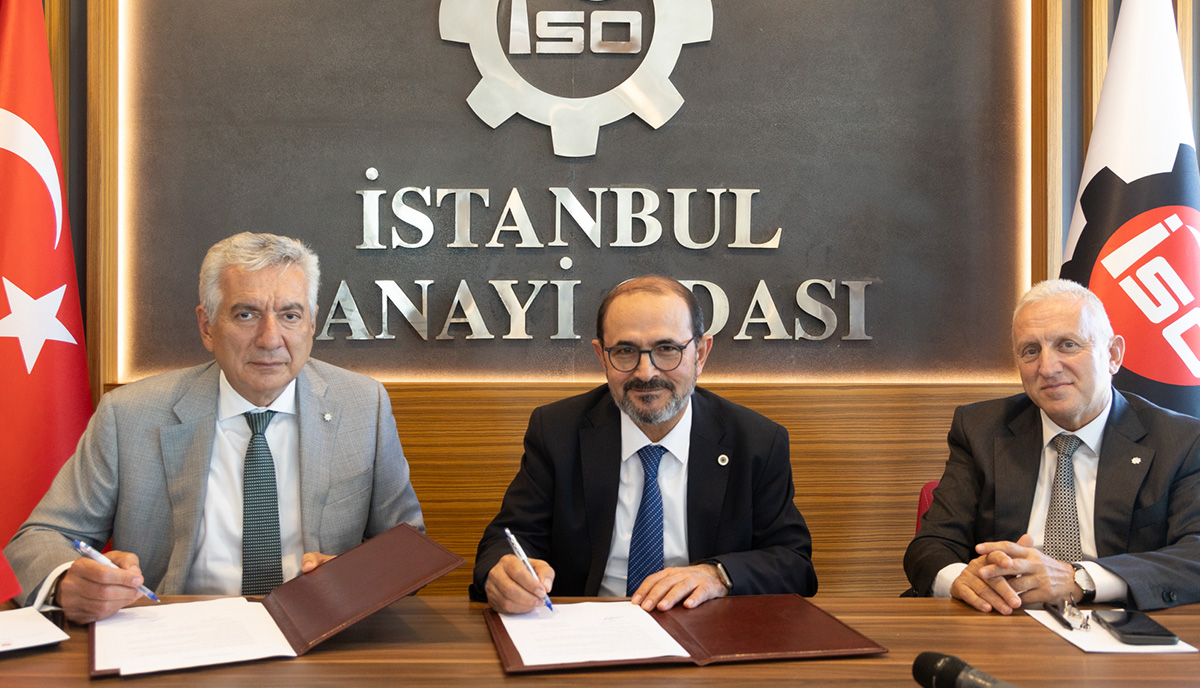
Following the speeches, the protocol was signed by YTÜ Rector Prof. Dr. Eyüp Debik and ISO Board Chairman Erdal Bahçıvan.
Test and analysis results will be sent to companies digitally
Under the protocol, YTÜ will inform and guide ISO member companies that have registered in the laboratory automation system regarding their analysis requests. The requested tests and analyses will be conducted using the instruments and equipment at the YTÜ Central Research Laboratory. The results will be shared with the companies through the automation system.
ISO, in turn, will inform its members about the laboratory’s capabilities. It will ensure that companies submit their membership documents and will forward their analysis requests to the YTÜ Central Research Laboratory. The parties will also organize events and meetings to develop new collaborations with relevant sectors.
A New Chapter in a Long-Standing Partnership
ISO and YTÜ have long been conducting joint projects in the fields of education, R&D, innovation, and university-industry interaction. The Industrial Design and Prototyping Center (ETP), which was relocated to the YTÜ Yıldız Technopark Technology Development Zone and made available to the academic, industrial, and entrepreneurial ecosystems, stands as one of the concrete examples of this partnership. Under the ISO Young Researchers Program, undergraduate and graduate thesis collaborations addressing industry needs have been developed since 2023. With the new laboratory protocol, the goal is to expand the scope of this collaboration to include broader applications in testing, analysis, and product development processes.
Other News