The little-known history of Malazgirt was discussed at the YÖK Science Café
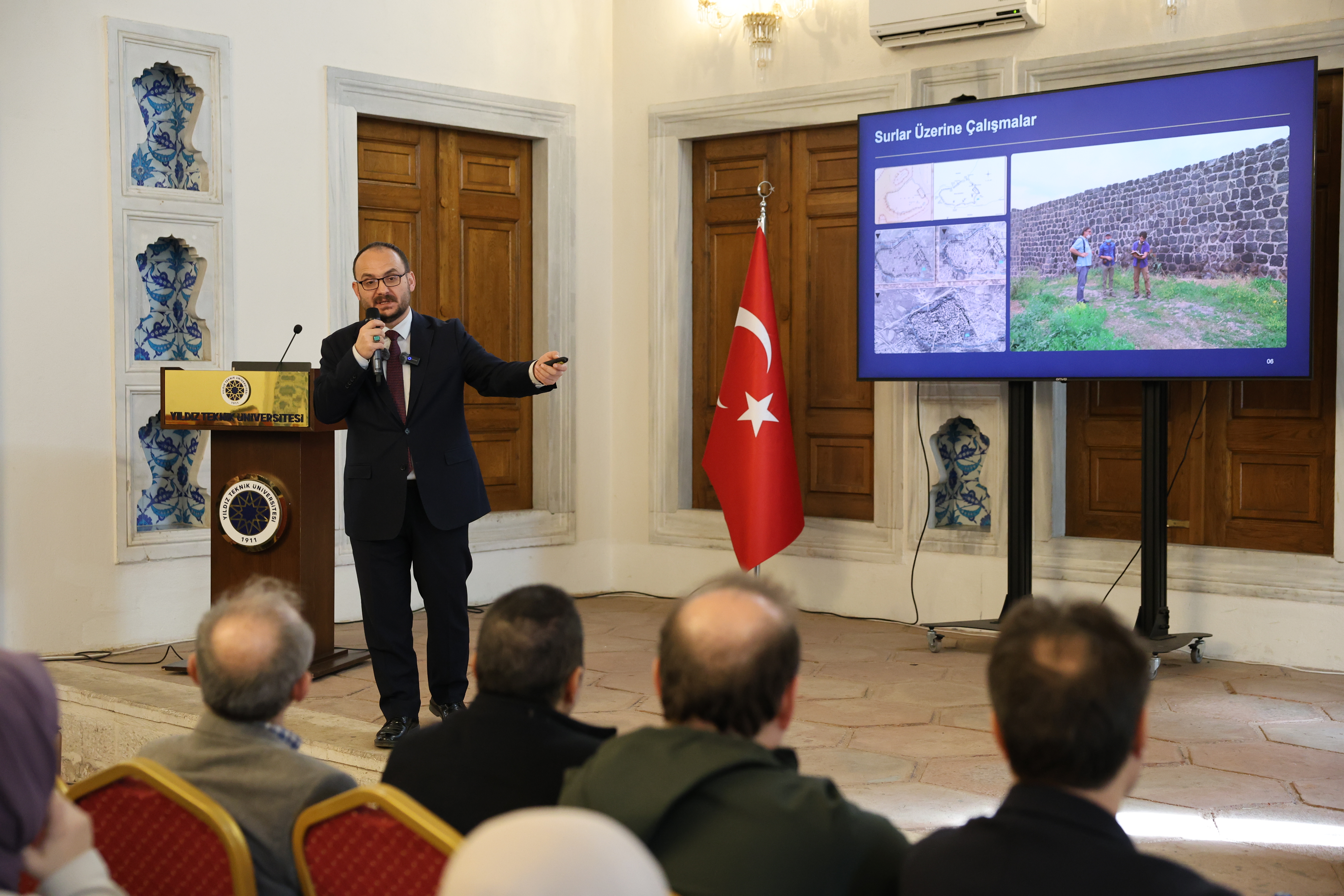
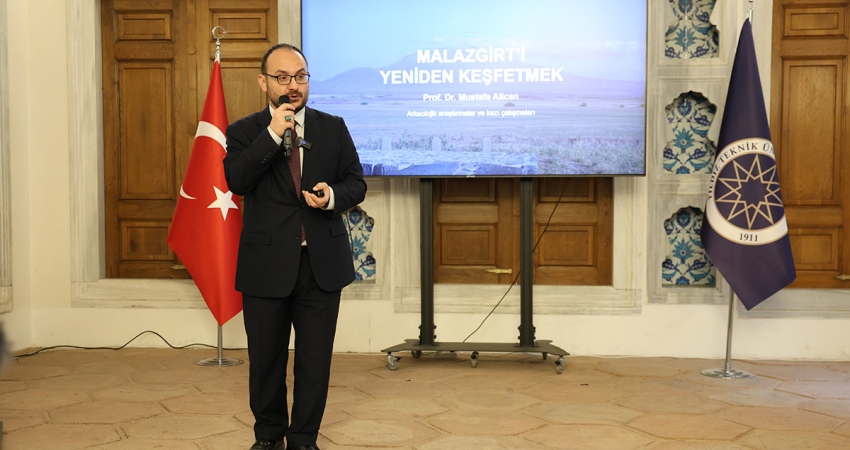
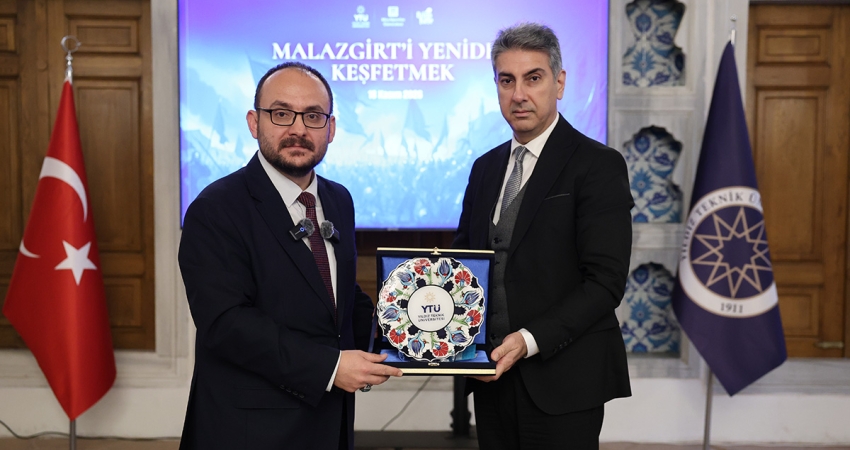
Yıldız Technical University hosted Prof. Dr. Mustafa Alican, Rector of Muş Alparslan University, as part of the “Science Café” events organized under the auspices of the Council of Higher Education (YÖK). The conference, titled “Rediscovering Malazgirt,” addressed the historical significance of the 1071 Battle of Malazgirt, archaeological studies aimed at identifying the battlefield, and artifacts unearthed in the region.
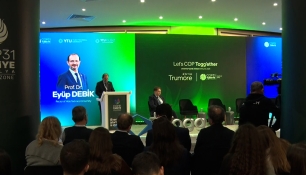
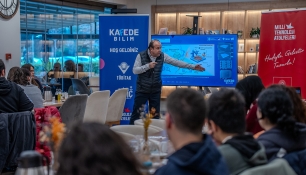
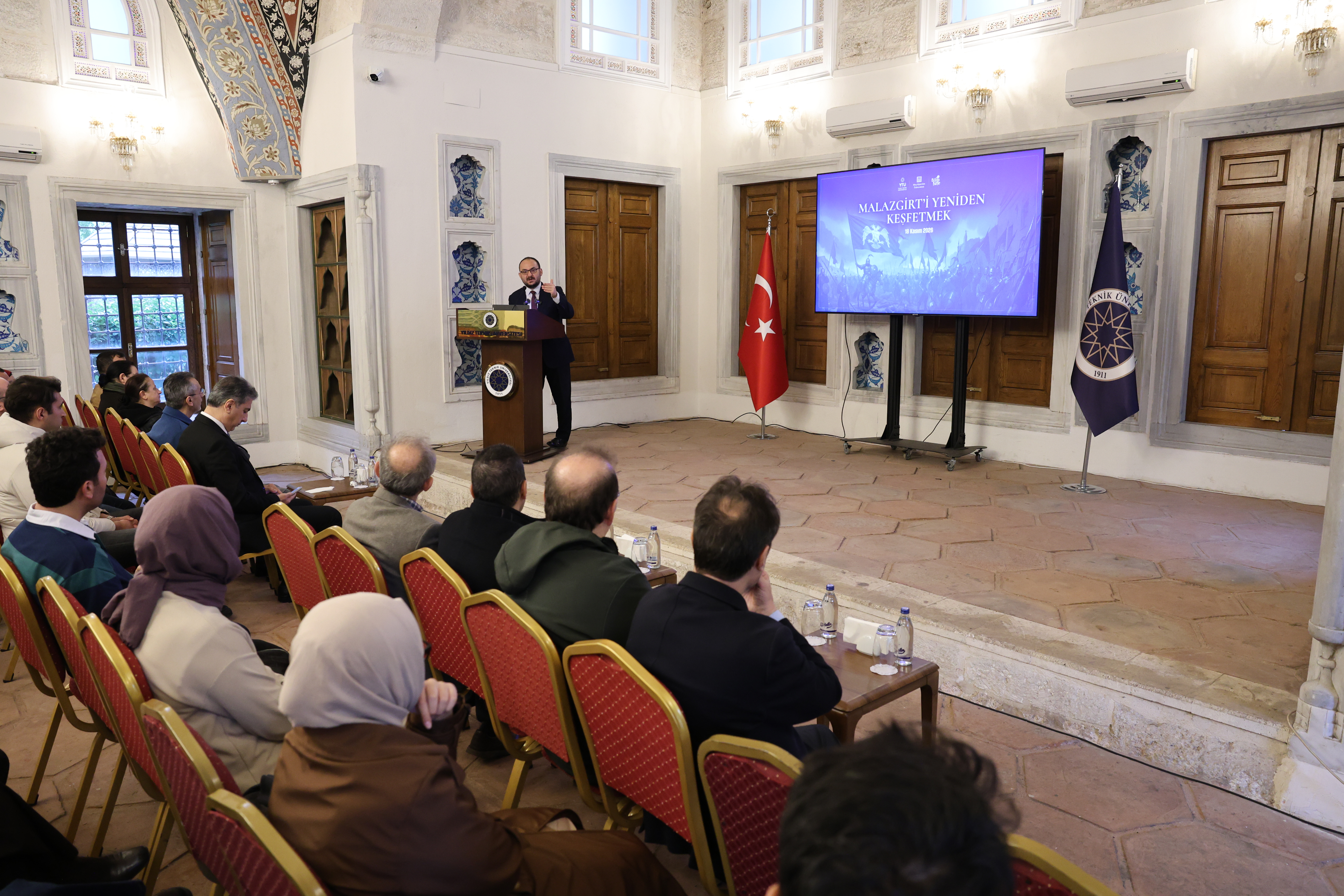
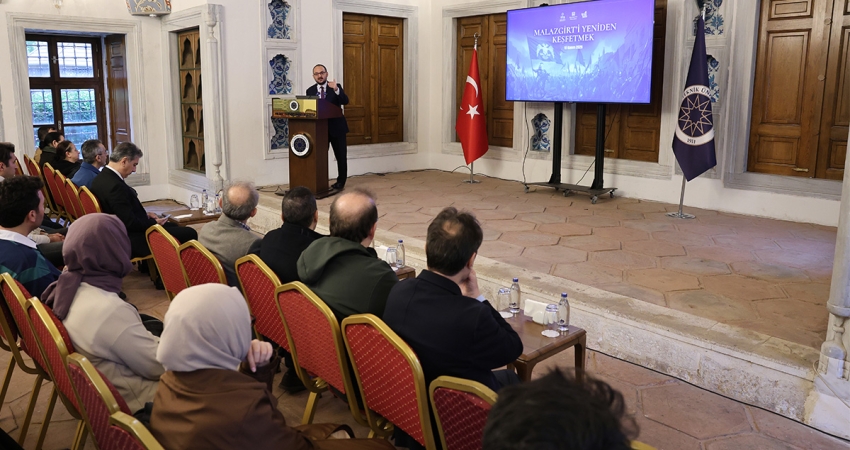
As part of the Science Café events organized by the Rector’s Office and the Office of Science Communication at Yıldız Technical University, the conference titled “Rediscovering Malazgirt” was held at the Otağ-ı Hümayun on YTÜ’s Davutpaşa Campus.
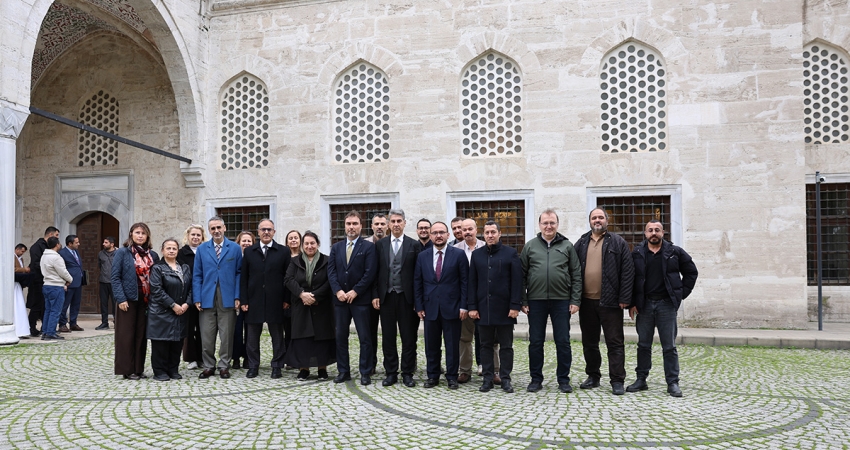
Attendees included Prof. Dr. Ahmet Faruk Bakan, Dean of the Faculty of Electrical and Electronic Engineering; Prof. Dr. Adem Cengiz Çevikel, Dean of the Faculty of Science and Letters; Prof. Dr. Uğur Kurt, Dean of the Faculty of Civil Engineering; Dean of the Faculty of Chemistry and Metallurgy Prof. Dr. Musa Türker, Assoc. Prof. Dr. Şerif Esendemir from the Sultan II. Abdülhamid Application and Research Center, YTÜ Secretary General Ahmet Yüksel Karahan, as well as department heads and administrative and academic staff from our university.
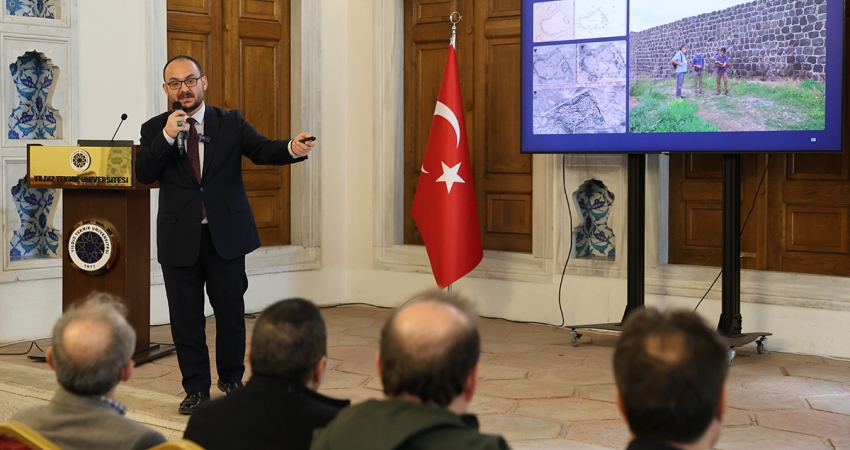
Muş Alparslan University Rector Prof. Dr. Mustafa Alican assessed the historical background of the 1071 Battle of Malazgirt and its place in Anatolian history during the conference, drawing on scientific research conducted in the region. Alican shared the findings of the battlefield archaeology project—to which approximately 50 academics from 20 universities contributed—and described the efforts underway to uncover Malazgirt’s historical legacy.
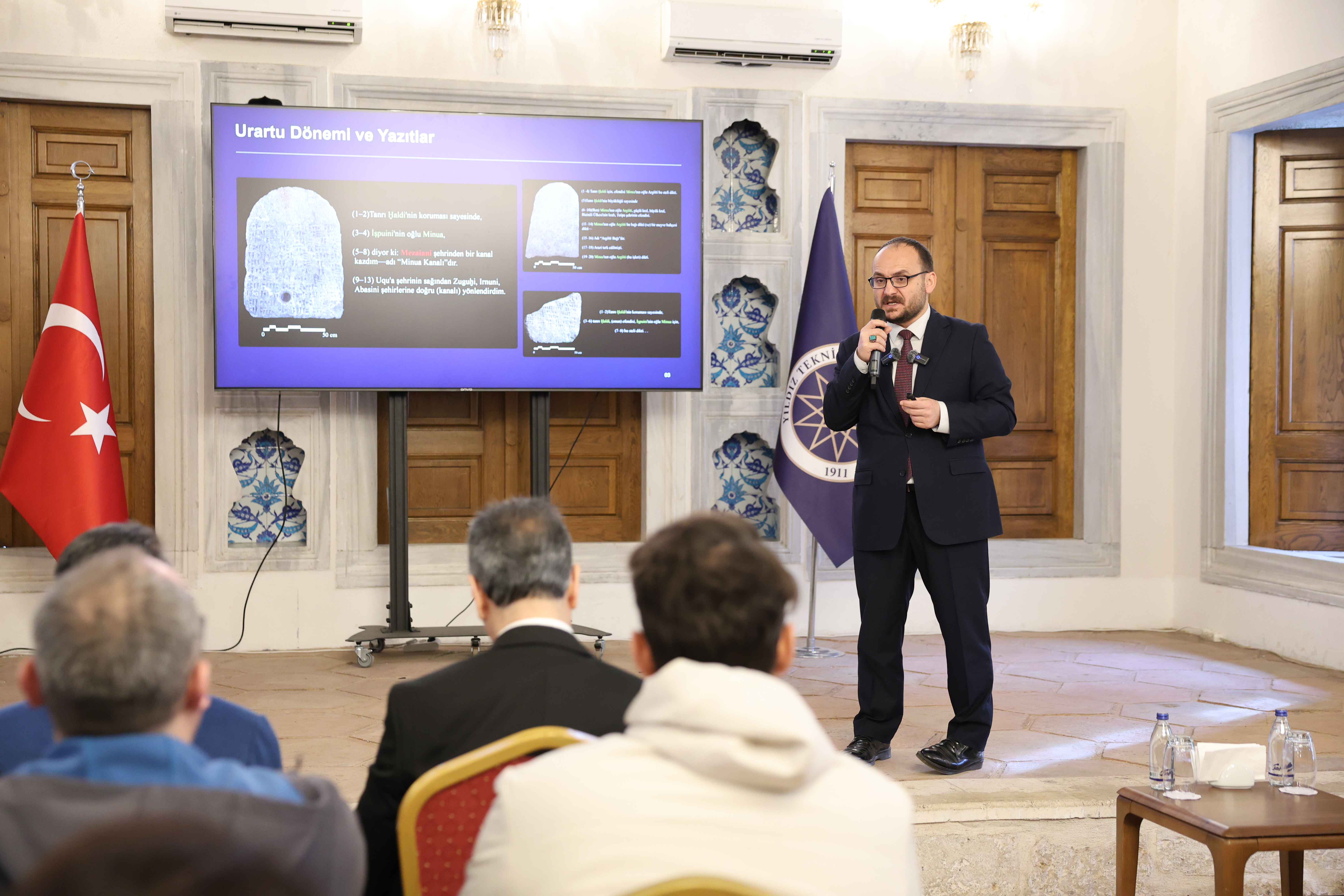
The research, which began in 2019, has evolved into a multidisciplinary project
Noting that the project—launched in 2019 to scientifically identify the site of the Battle of Malazgirt—has expanded in scope over time, Prof. Dr. Mustafa Alican stated that approximately 50 academics from 20 universities have participated in the research. Alican emphasized that the research was not limited to merely identifying the battlefield, noting that the region’s historical, archaeological, and cultural fabric was examined in a comprehensive manner.
Prof. Dr. Alican said, “This project began primarily to determine the exact location of the Battle of Malazgirt. However, as we engaged with the site, the scope of the research expanded. Today, we believe we have made significant progress in developing a new methodology. Some researchers from our team are continuing their work in Dara, while others are working in Battalgazi, Malatya,” he said.
Noting that the project is also being followed by the international scientific community, Prof. Dr. Alican stated that he has presented his Malazgirt research in 12 different countries, and that team members have also shared their work at various international conferences. Alican noted that they are among the invited members of the Russian Academy of Sciences and regularly present their excavation findings there; he also mentioned that the project’s findings were shared at the recent Symposium on Archaeological Excavations in the Turkic World held in Kyrgyzstan.
The battlefield of Malazgirt has not yet been definitively identified
Noting that despite the historical significance of the Battle of Malazgirt, the exact location where the battle took place has not yet been definitively identified, Alican pointed out that the geographical features of the Malazgirt Plain have made the research difficult. Explaining that the plain, which spans an area of approximately 165 square kilometers, contains volcanic formations, underground caves, and various geological structures, Alican emphasized that the exact location of the battle cannot be determined solely by consulting historical sources.
Alican stated that studies on the Battle of Malazgirt to date have relied largely on written sources, while the current project fills a significant gap in terms of scientific field research on the battlefield.
Field research is uncovering new information
Noting that the research also draws on local residents’ accounts, oral history data, and field observations of the region, Alican said that historical events cannot be explained solely through written sources. Prof. Dr. Alican noted that when the information provided by local residents is compared with archaeological findings, it adds new dimensions to the research, and he highlighted the importance of interdisciplinary and field-based methods in the social sciences.
Alican noted that they established strong relationships with the local community during the studies conducted in Malazgirt and the surrounding area, and that the information shared by local residents contributed to the research process. Stating that this approach allows for the evaluation of historical heritage in conjunction with collective memory, he said:
“Sources are, of course, important; however, in the social sciences, it is not possible to fully understand a period in all its aspects by relying solely on written sources. History is also recorded in people’s songs, poems, conversations, and daily lives. When you conduct proper field research, you can access information that you do not encounter in written sources.”
Excavations yielded 1,500 coins and approximately 3,000 metal artifacts
Alican, reporting that significant archaeological finds were uncovered during surface surveys and excavations conducted in the Malazgirt Plain and its surroundings, stated that approximately 1,500 coins, an equal number of arrowheads, and nearly 3,000 metal artifacts were identified as part of the studies. Noting that the finds, which belong to different periods and communities, provide important data regarding the region’s historical past, Alican highlighted that 26 different types of arrowheads, particularly those dating to the 11th and 13th centuries, were especially noteworthy.
Alican also noted that excavations at a cemetery site near Afşin Village had uncovered 100 graves dating to the 11th century. Alican explained that the remains in the graves belonged to women, men, and children, and stated that the site has been registered as the Seljuk Cemetery.
Ancient DNA laboratory opens new possibilities for research
Prof. Dr. Alican noted that they had established Turkey’s third ancient DNA laboratory at Muş Alparslan University and explained that the laboratory conducts DNA analyses on bone artifacts recovered from excavations. Alican noted that, in addition to this laboratory—the third of its kind in Turkey, following those at METU and Hacettepe University—the archaeology, gemology, and anthropology laboratories are also actively in use, and he noted that this infrastructure contributes not only to the Malazgirt project but also to various excavations and surface surveys conducted in Eastern and Southeastern Anatolia.
Prof. Dr. Alican emphasized that examining archaeological finds using methods from various scientific disciplines helps in understanding the lifestyles, demographic structure, and historical continuity of past societies in the region.
Malazgirt’s walls were documented in 3D
Noting that Malazgirt’s historic walls were also examined as part of the research, Alican said that 3D models were prepared to document the current condition of the walls and to establish a scientific foundation for future conservation efforts. Alican noted that ground-penetrating radar studies were also conducted on the walls, which were evaluated in conjunction with historical sources and data from the ancient, Byzantine, and Islamic periods, and he noted that the prepared models had been submitted to the relevant authorities.
Prof. Dr. Mustafa Alican said, “We wanted to create a scientific record that could be used when the future preservation, expropriation, or authentic restoration of these walls comes up for discussion. For this reason, we prepared 3D models of the walls and conducted ground-penetrating radar surveys. Our goal is to ensure that reliable data is readily available when steps are taken to preserve our historical heritage.”
Alican noted that they are also tracing the traces of historical structures in the city center of Malazgirt, adding that a caravanserai uncovered in an area previously used as a landfill has been cleaned, registered, and placed under protection. Alican stated that they believe there are numerous historical remains beneath the city that have not yet been unearthed, and added that work is continuing as part of the Malazgirt Historical City Excavations.
Turkey’s First Battlefield Archaeology Master’s Program Established
Alican announced that they had established Turkey’s first master’s program in Battlefield Archaeology at Muş Alparslan University, noting that the program aims to train researchers who will specialize in this field. Noting that battlefield archaeology is a specialized field offered at only a limited number of universities worldwide, Alican remarked that the new program represents an important step toward the sustainability of scientific research.
The conference concluded with Prof. Dr. Mustafa Alican answering participants’ questions following his assessment of the Malazgirt research.
Other News